“For the most part, my work is about the ephemeral, somewhat sublime moments that catch my attention, and how material, process, and the maker (me) speak to one another.”
I’m often asked “Where does that idea come from?”
Most recently Charlene Wichaidit, the curator of my retrospective asked me how I saw my work in conversation across time?
For the most part, my work is about the ephemeral, somewhat sublime moments that catch my attention, and how material, process, and the maker (me) speak to one another. The work is rooted in the place I am from and awareness of the physical aspects of that place. But a recent event has given me cause to appreciate formative influences on my work.
I am second generation Canadian. My mother Martha was a first generation Canadian born in Saskatchewan, a child of German immigrants. In the early 1920’s my grandfather Wilhem brought his family to Saskatchewan for a number of reasons; a big one economic – hey they were giving out free land. He died when I was very young and I didn’t have a relationship with him. The little I know about him I believe my grandfather saw what was transpiring in Germany, was frightened, disagreed with it and wanted to protect his family.
Post war my mother faced prejudice aimed at Germans, she had difficulty finding employment and housing. My mom often said marrying and changing her name to Smith was a marvellous gift. Although my mom spoke German as her first language and with her parents and siblings, she would not speak to us. She told me I needed to be Canadian and speak English. German was the language of secrets, of sharing things with her sisters. Fortunately, the shame she felt being German did not spill into over into her love of German music, fine china, literature, art and food. Additionally my mother loved Christmas and the perfect Christmas present was very important to her.
Sometime in late teens, my mom suggested I pick out a dish pattern; I have no doubt part of the reason being was so she could purchase pieces for Christmas and birthday gifts. Thus, she would be able to give the “perfect” gift, her problem was solved. We had a shopping trip to the store filled with crystal, dishes, flatware and linens, the kind of place that hardly exists anymore.
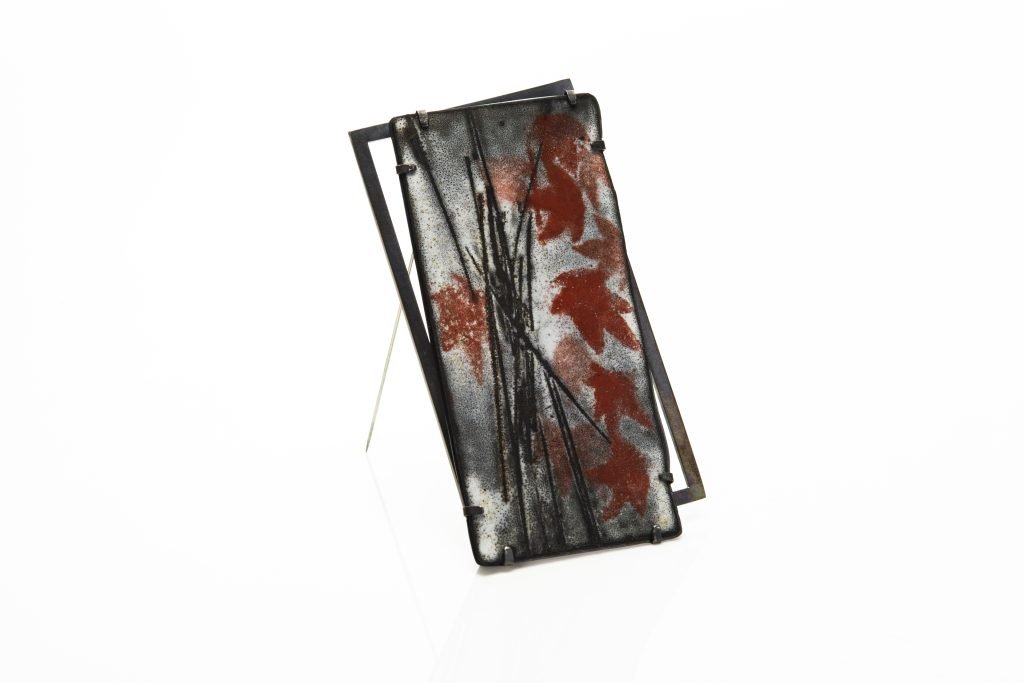
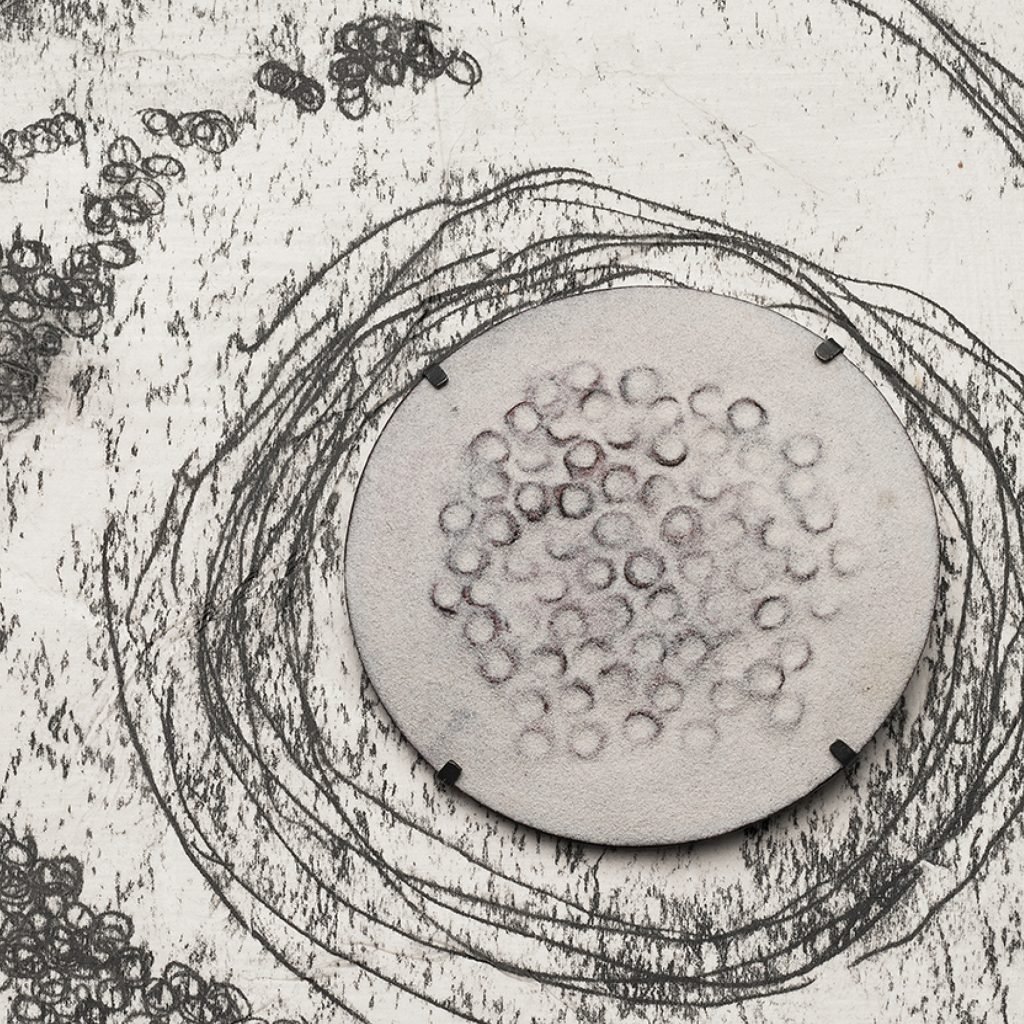
After much deliberation, somewhat based on cost factor, I selected Rosenthal, a German porcelain the pattern was called Romanze. It had a subtle raised braille like pattern of circles and dots that showed through the translucent glaze. Martha died far too young and I when I use the dishes, I think what a gift to have this a tangible piece of beauty as a reminder of her.
I recently stumbled into an online auction site in which one of the lots was a large grouping of Rosenthal Romanze dishes. I told myself I didn’t really need it but, each day I would go back to the site and soon realized nobody was bidding on it. Over dinner one night I laughingly told my husband my mom would love it if I bought it; I stated we could just use it daily and think of Martha. I justified it was cheaper than popular brands and of course much better quality; an important factor to my mom. I did purchase them and when I went to pick them up a long-time friend offered to come and help. While packing the dishes I was laughing with her and telling her the story of how it came to be that I collected this dish pattern.
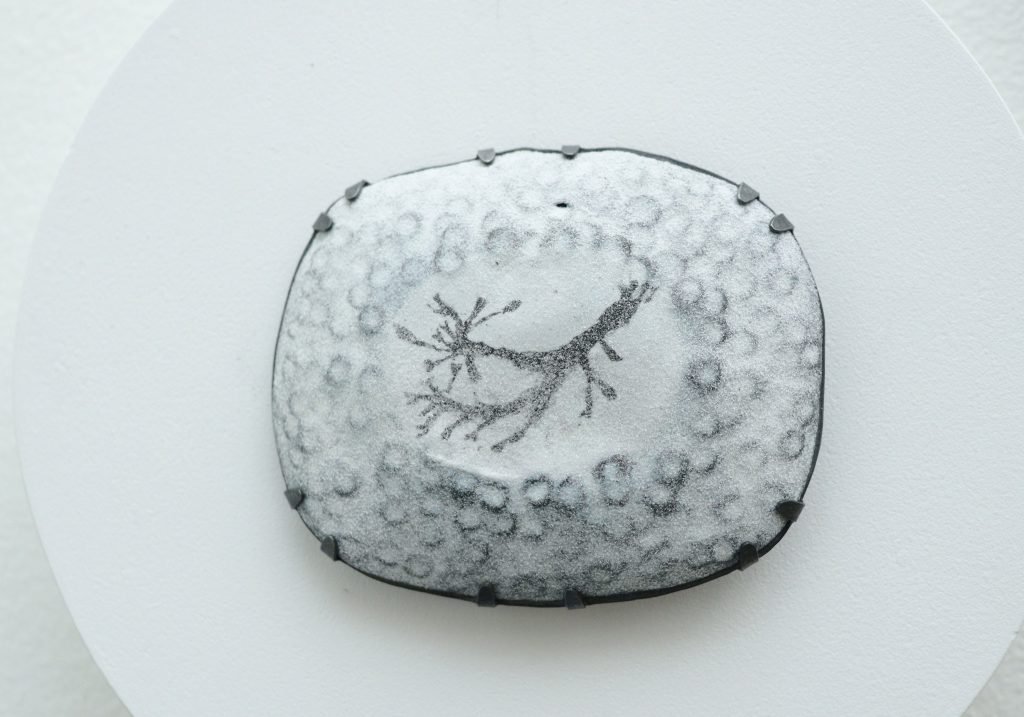
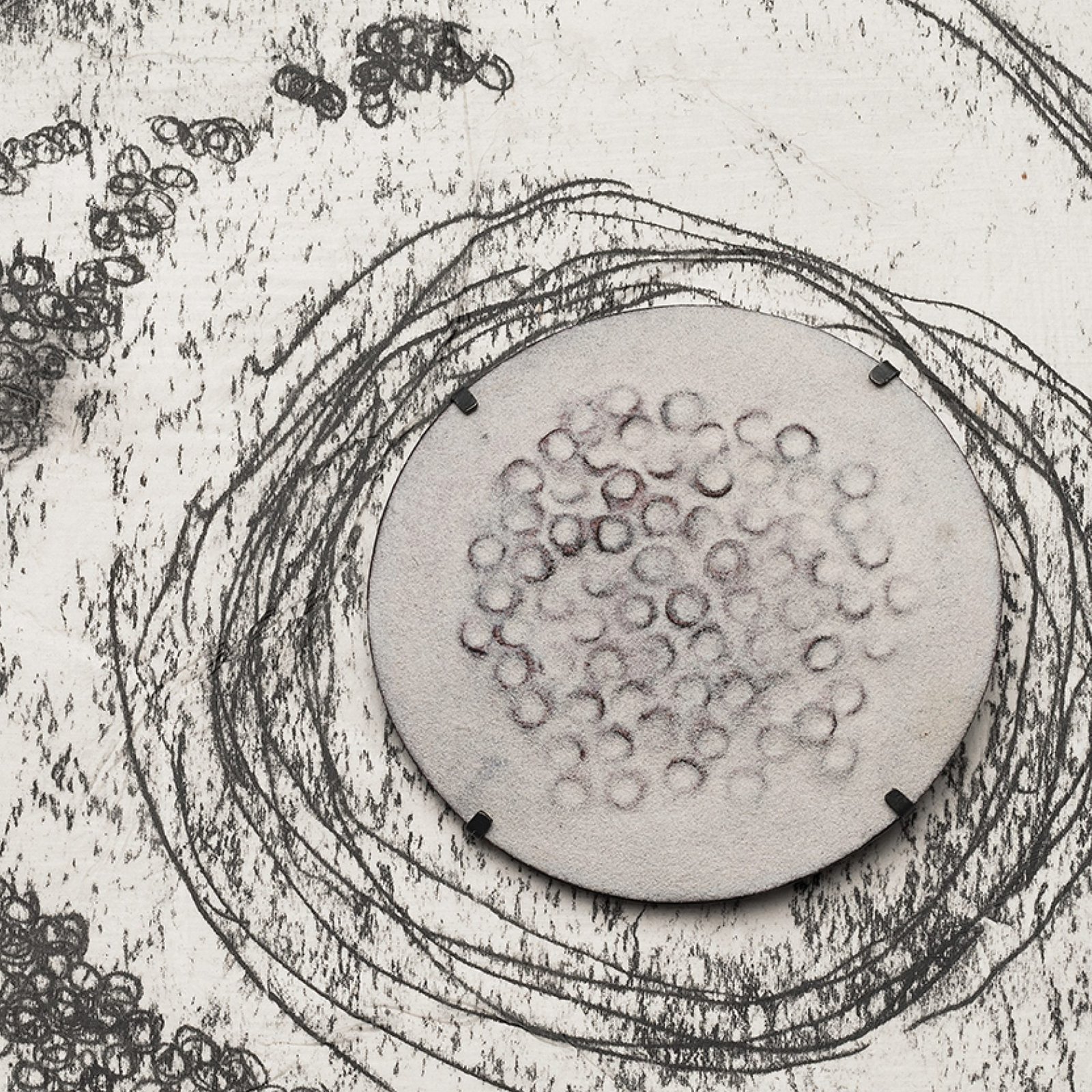
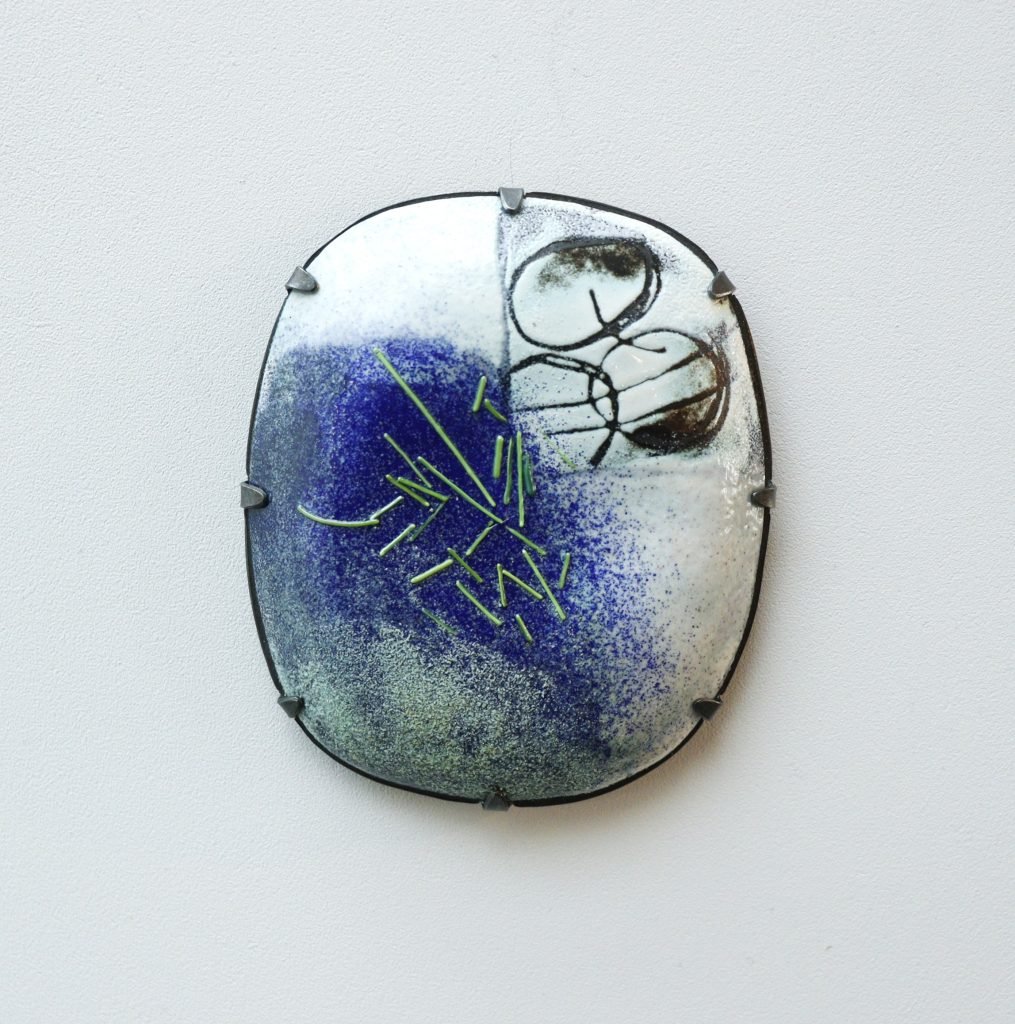
When home unpacking and washing the dishes, running my hand over these braille-like surfaces, laying them out on the table, there was something vaguely familiar. Sadly, it turned out there were a couple pieces that were chipped and I set them aside to throw out. I spent the evening re-organizing my cupboards, putting all the dishes away, savouring their voluptuous shapes and reflecting on how much I would enjoy using them. The next morning when I walked out into the dining room in the sunlight, I saw the two chipped pieces on the table. I realized oh my! they’re the beginning of the tactile white enamel work I have been focused on for the last ten years. My preoccupation with the ephemeral moments of frost and snow and mysterious marks on and beneath the surface. It all began looking at the various porcelain patterns on that long ago shopping trip with my mom. In that moment I realized without even knowing it my mother had given me inspiration for a whole body of work.
That morning sipping coffee in one of the gorgeous cups I reflected more on my mother, her influences and the amazing array of skills she’d given me. Skills she believed important for a woman; sewing, textile arts, cooking, preserving, setting a table, gardening, cleaning techniques, her unflinching attention to detail and unrelenting standards. My mom loved beauty, whether it be in nature, fabrics, yarn, food presentation. Martha was adamant we needed beauty for our spirit to survive, it was something to be celebrated.
As I child I delighted in the patterns on the petals of the flowers I gathered for my mother, the drawings I made in the sand at the beach, the lush shapes of the fruit picked in my aunt and uncle’s orchard or the patterns the fruit made in jars sitting in our root-cellar and the seductive fabrics that I fondled dreaming of the garments I would sew.
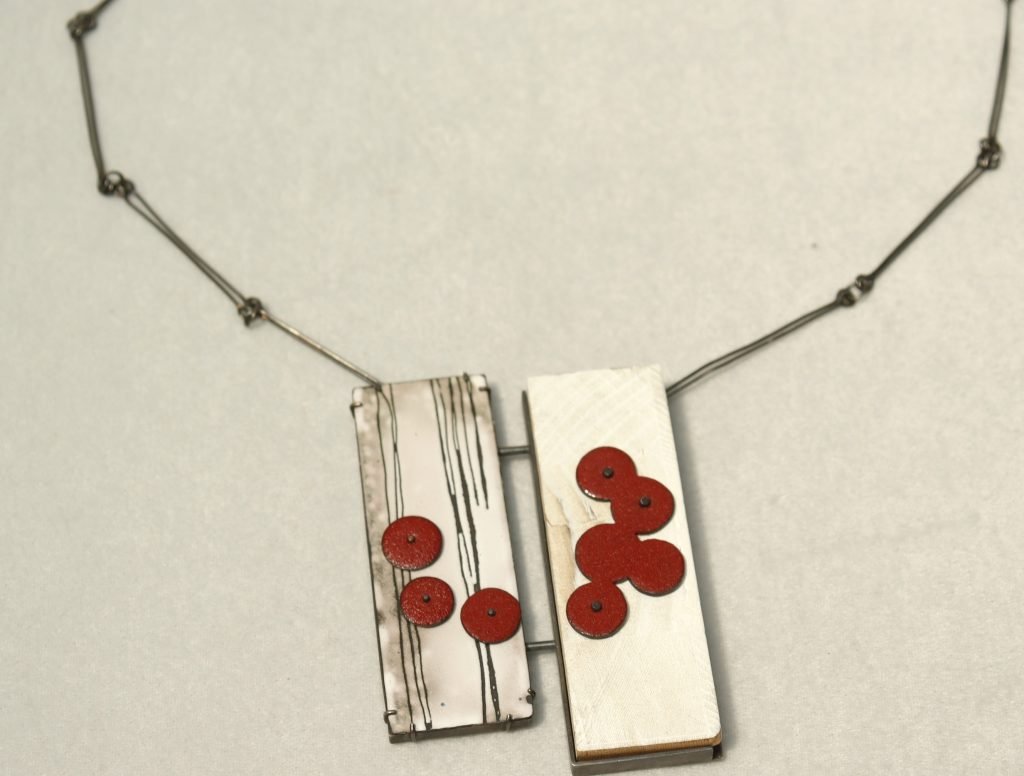
Martha gave me the gift of creativity through her example of making; she taught me to look at things from different perspectives, put things together in different ways, make things from the discarded, find a solution to problems and keep going. She appreciated in the small fleeting moments of delight.
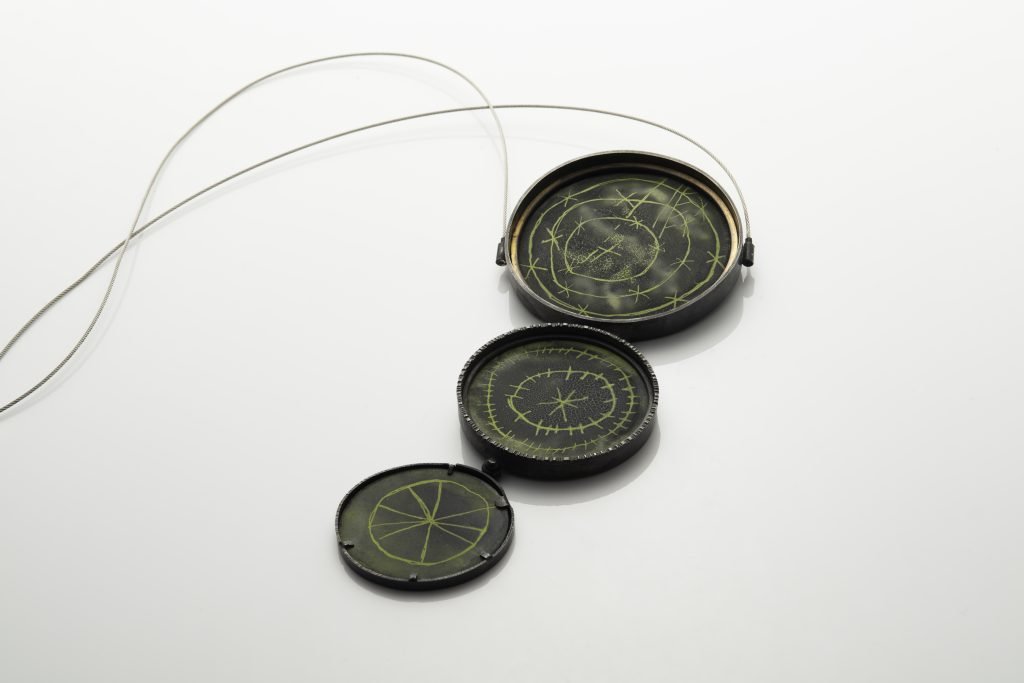
In the sunlight that morning I acknowledged those skills Martha cultivated as a nod to femininity had individually influenced the bodies of work included in this retrospective. The work within this retrospective is not only a consideration of place and the ephemeral but also originates from a place deep inside me. One of absorbed skills, repetitive domestic tasks, moments of beauty and joy. They are suggestions of the tiny stitches in garments and linens, hand and machine embroidery, the intricate stitches and patterns of machine and hand knitted items that I saw Martha make. The patchwork of scraps of materials which Martha pieced together making quilts, garments or repairs on clothing, patches of flowers or animals shapes, artfully arranged meals and decorations for holidays. The influences and skills of my mother are collectively the threads that run through this exhibition, interweaving and repeating in the bodies of work together; of being a creative maker.
So, in answer to the question, “where does that idea come from?” From my mom, it is a conversation across time with her.