
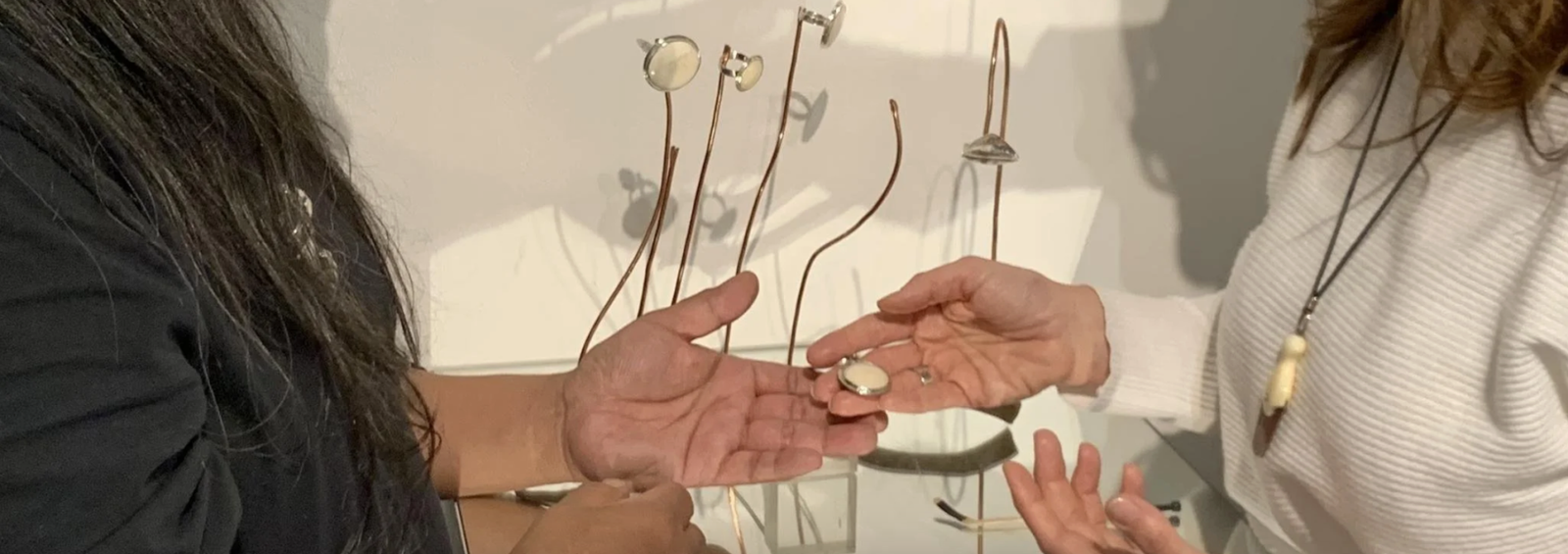
I believe that art brings community together. When a community is immersed in the arts, we care more, we make better decisions about the environment, about how we govern ourselves, about how we live. I believe that art is the basis of healthy, thriving communities.
We had the opportunity to interview Lynn Feasey, a curator, artistic director, and creative strategist with more than 25 years of experience.
Lynn has worked with hundreds of artists — alongside government, non-profit, Inuit and First Nations organizations — on projects including Canada’s Northern House for the Vancouver 2010 Olympics, NWT Days for Winterlude, the Great Northern Arts Festival, the Adäka Cultural Festival, and pivotal arts strategies and programs such as the NWT Arts Program. She also works with communities at the intersection of arts, tourism, and economic development. She founded Points North Creative Inc. in 2009 and now directs her newest project, The Artists Well.
We asked Lynn to tell us about The Artists Well, starting with the how she chose the name.
The name comes from an old idea of the well as the place where community gathers around a source, to draw what they need and carry it back to their homes. It’s a place to return to. It felt like the right image for what I wanted to create, which is more than just a resource library, but a place to return to for dialogue and connection.
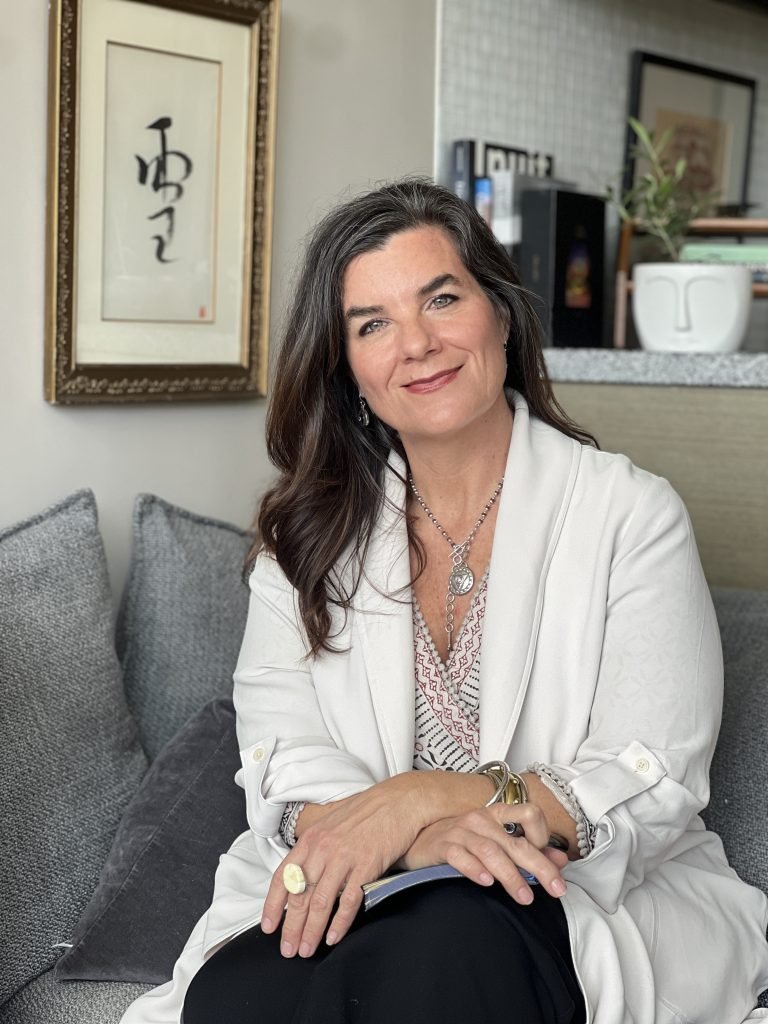
So many artists throughout their career have similar questions about pricing, selling, marketing, the creative life. These questions keep showing up in new forms throughout a whole career, not just at the beginning of it. Sometimes learning something once just isn’t enough. You have to learn how to work with it when the need comes up.
The Artists Well is a new digital space built on Circle to foster community and support for artists. Members can gather for monthly workshops, weekly live support, wellness tools, co-working, and ongoing conversation and connection. It’s a place that considers the artist as a whole person, not just the business side of art.
The creative process and the commercial are inherently disconnected. I wanted to create a bridge between these two worlds, so I created a personal development piece that comes before the teaching and strategies. Because if you don’t know who you are, why you make your art, what your values are, and what your habits are, you could be taking a very wrong road.
There are so many paths you can take. Some will make you, and some will break you. Sometimes you have to compromise because you’ve got to pay some bills. I want artists to be able to confidently make their decisions in an empowered way according to their values and needs. That’s the basis of being a self-determined artist.
Self-determination, in the way I use it, means an artist knows their why and their values clearly enough that those things can actually guide hard decisions. Once an artist has that foundation, the business side stops feeling like a fight between what’s practical and what feels right.
We discussed blocks that artists may face, like overcoming their limiting beliefs and understanding how their habits — good or bad — affect their work. Lynn shared the example of an artist trying to sell at markets and fairs but struggling because they are deeply introverted and dislike bright lights and noises. Or an artist not seeing the value in their own work because they may not be the social media star and haven’t found their audience yet.
Many artists get discouraged thinking the work isn’t good, when they are trying to be seen in a very crowded space. It really hurts me to see artists take their frustration out on their work.
We have a lot of artists who are neuro-divergent and have different habits from what’s considered “normal.” I’ve learned from personal experience that you’ve got to work with your habits, you can’t ignore them. Doing the work around identifying habits is a game changer.
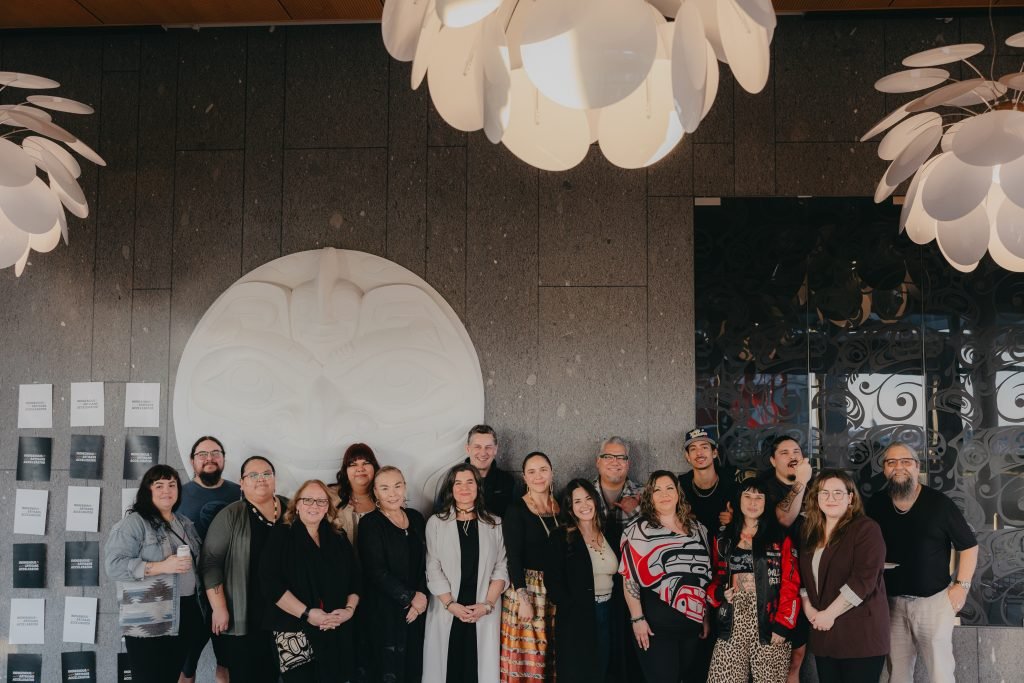
Artists across the country and internationally struggle with a lot of the same challenges: undervalued prices, expensive materials, habits, time, planning, etc. Indigenous communities and artists working in more remote areas face intersectional and increased barriers. With Lynn’s experience working across the Northern Territories, we wanted to learn more about how arts organizations across Canada can support those artists.
When I work with communities, I always ask what does support look like to you. And 9 times out of 10, it’s not what we would think of in the south — it’s things like childcare, transportation, opportunities, access, a warm and safe ventilated space. In many communities in the North, there are often limited — if any — professional spaces to exhibit your work. Artists don’t have the same access to sales opportunities or gallery representation, and the local markets can get saturated. Arts development is not supported like many other industries in the North, and some communities have more infrastructure and human resources to support the arts than others.
Part of what organizations can do to support their artists is providing the training they need to support themselves and have meaningful participation in the market. For artists working in craft and using traditional materials, especially in Indigenous and northern communities, self-determination carries even more weight, because so much of what gets asked of them — to produce more, sell for less, fit the market — runs directly against the value and the culture carried inside the work itself. Having a solid foundation protects that.
Instead, of asking artists to make more and sell for less, I’ve long been an advocate for increasing the value proposition — especially for works that carry culture and tradition — so artists can increase their prices and actually make a profit. It’s often difficult for artists working in traditional materials to get access to those raw materials. By increasing that value proposition, artists can focus on quality and creativity rather than producing more for less.
Organizations in the arts and culture sector can help market the arts with education. Art from Canada’s North and Indigenous communities should not be treated the same way as a mass-produced retail product. There is a story behind every piece about the artists, where they come from, who they learned from, and what it means to them. Learning about the artists and their work is valuable for everyone.
I hope that industry will begin to take its cues from artists instead of artists having to accept a system that is not actually working for them.
It is a difficult time to be an artist. The changes in the economy and technology have been a struggle to navigate for many, as well as low motivation or inspiration after the ripple effects of global events. Amidst this, there is an opportunity for individuals and organizations to help.
We need to help artists make the work that needs to come out of them right now in the biggest way. This moment in time calls for art that doesn’t hold back — artists need to be empowered to show their fullest expression, driven by their creativity rather than the market alone. Art is what has lasted through the centuries and civilizations — it is how we know we exist.
Attend the Artists Well’s first session: The Self-Determined Artist in the Age of the Algorithm. Lynn will be hosting this timely discussion with a Q&A discussion to follow, completely free to kick off the official launch!
The Artists Well is being built on a different premise entirely: one where self-knowledge comes before strategy. Lynn will dive into how creative sovereignty, financial sustainability, and personal wellbeing follow as equal parts of what it means to be an artist.
We hope to see you there!
Learn more about Lynn’s other projects.
July 19, 2026
written by Lucy Elliott, edited by Lucy Elliott & Devon Field
