
Within Cells Interlinked
curated by charlinee wichaidit
january 22 - february 19, 2026
craft council of bc gallery
opening reception
jan 22 | 6-8p
exhibition catalogue
digital & physical copies avaliable
curatorial statement
As individuals, we live within the inner structures that carry us—memory, inheritance, fear, and hope. These architectures shape our sense of self quietly and more deeply than what we allow the world to see.
Within Cells Interlinked brings together five emerging artists whose work examines the internal architectures that form our understanding of selfhood through the language of craft. Through ceramics, metalwork, and printmaking, the exhibition reveals selfhood not as a unified whole but as something built from the fragments of our inner worlds: the memories we cherish, the histories we inherit, and the fragile mechanisms that hold us together.
The exhibition begins with the systems of external determination—cultural, bodily, and surveilled—where the self negotiates what may be seen and what must remain concealed. It then shifts toward internal territories, where selfhood unfolds through vessels and interior spaces that hold our inherited selves. Biological entanglements, cultural lineage, and the gradual imprint of experience shape these inner architectures, revealing the ways we contain and carry identity. Finally, the exhibition enters the terrain of rupture and transformation, illustrating how all things change within dynamic environments and how attempts to remain static can become their own kind of limit.
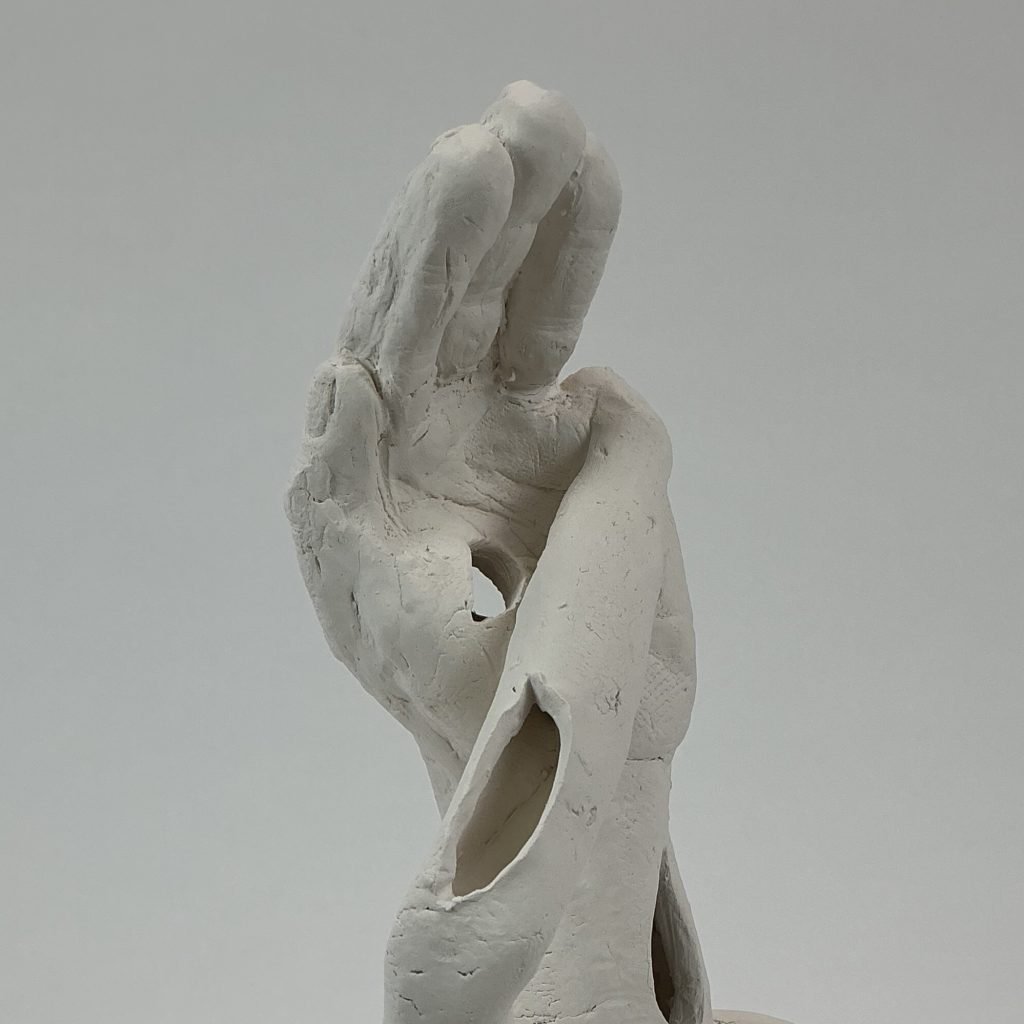
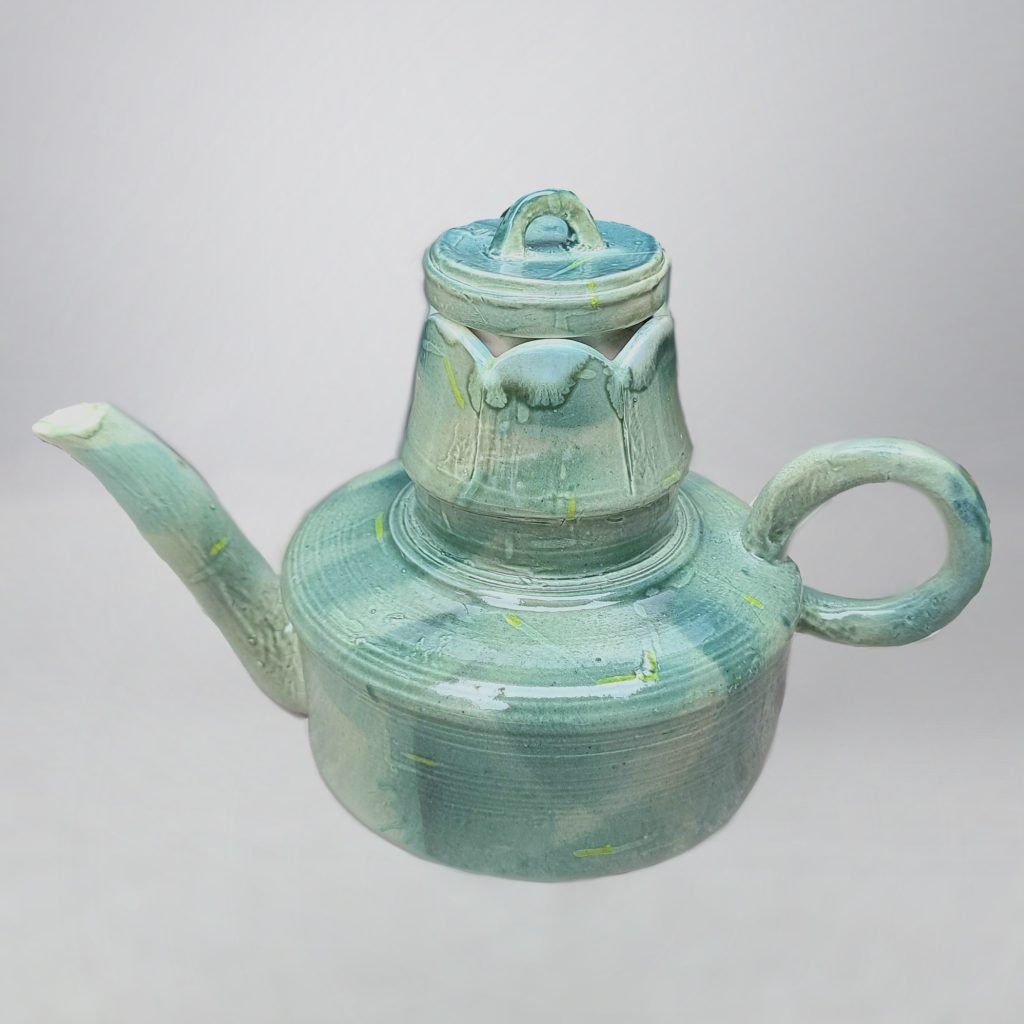
Across the exhibition, Isis Costa’s intimate metalsmithing explores hidden spaces and the boundaries within the self. Kinuka Hara maps inner emotional landscapes shaped by memory and nostalgia. Naomi Zhang uses ceramic vessels to reflect cultural inheritance and identity as a multigenerational cultivation. Jordan Mitchell investigates the body from the inside out, tracing resilience through rupture and transformation. Finally, Tatiana Ragonesi’s reconstructed ceramics highlight the fragility and strength inherent in processes of breakage and repair.
Together, these artists illustrate identity as something built from within—a series of interlinked interiors made of memory, biology, emotion, and possibility. Within these spaces, we encounter both the shadows we must confront and the beginnings of transformation.
preview of selected artworks
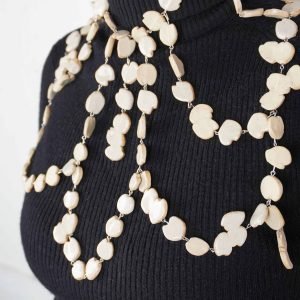
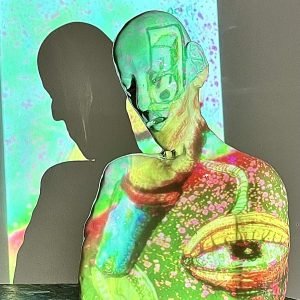
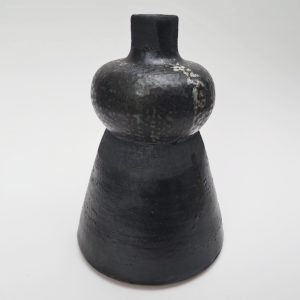
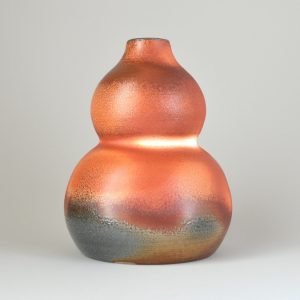
participating artists’ biographies
Isis Costa is a Brazilian artist born in Maceió and currently based in Vancouver. She began her journey as a metalsmith in São Paulo and is currently studying in the Jewelry Art & Design program at Vancouver Community College. Her work blends traditional metalsmithing with contemporary artistic expression, often featuring movement, fluidity, hidden compartments, and embedded narratives.
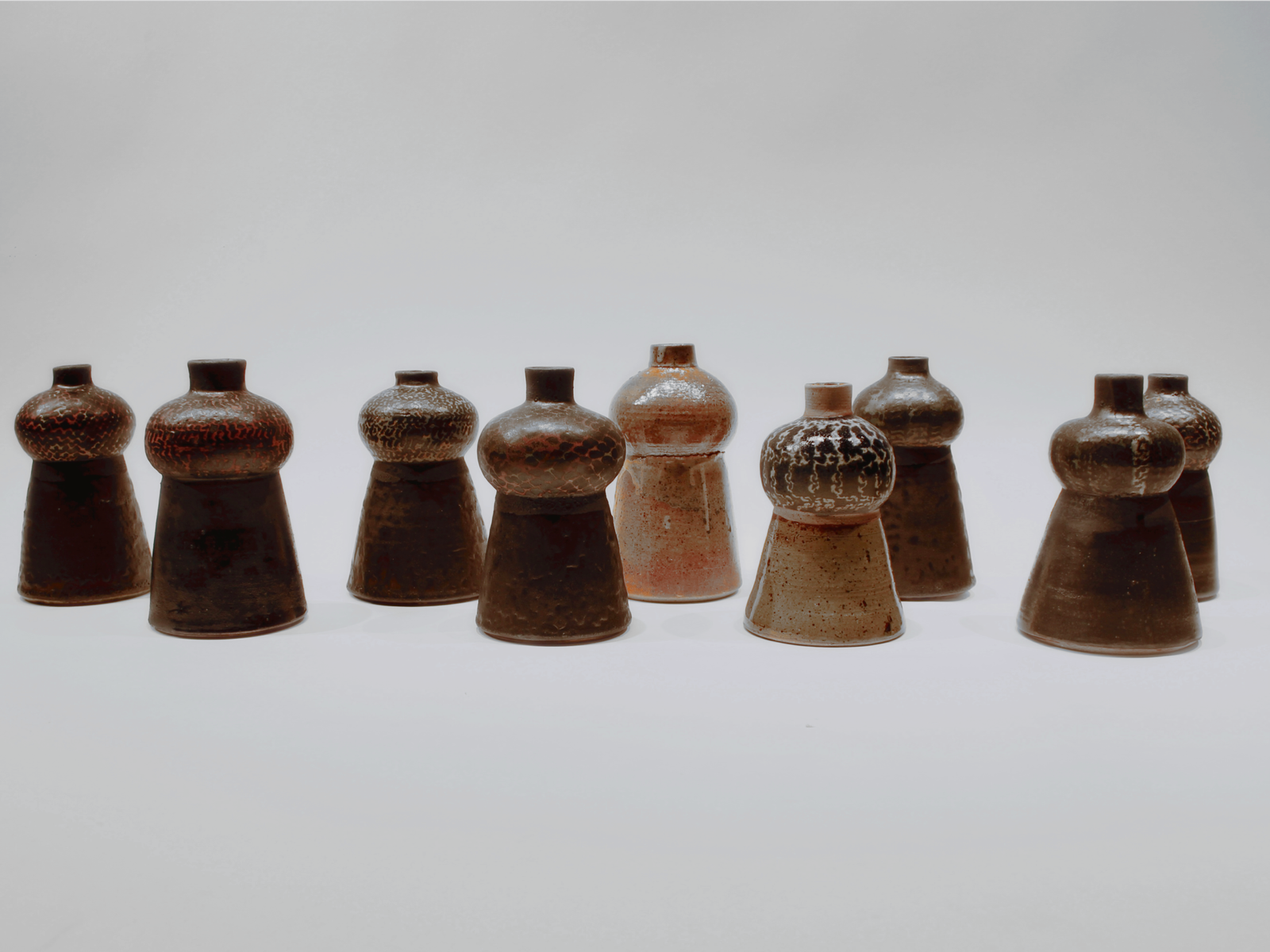
Kinuka Hara, born and raised in Japan, started her journey as an emerging artist at Langara College. Her study of ceramics is continuing at Concordia University in Montreal. Through her ptactice, she aims to express the peace and tranquility experienced when immersed in nature. Deeply passionate about ceramics, she creates wearable structures that explore the fusion of the human body and mind with landscapes and impermanent moments in nature. Her practice also reflects her inspiration from precious connections with her family, cherished memories in Japan, and simple moments of her solitary and domestic life in Canada.
Jordan Mitchell works in the space between fracture and becoming. Through clay, mirror, sound, and assemblage, they trace the body’s shifting edges, where what is broken hums with new form. Porcelain remembers every touch, every collapse; surfaces breathe, resist, and scar like living skin. In these prosthetic architectures, absence turns luminous, difference becomes motion. The work listens to what remains, to the uncanny murmurs of what once was whole. Mitchell’s practice is both excavation and offering: a refiguring of normalcy through tenderness, rupture, and repair, a language of matter that speaks to empathy, persistence, and the possibility of reimagined presence.
Tatiana Ragonesi has the privilege to work across the unceded territories of the Pacific Northwest Coast Indigenous communities and the Mohawk Nation. Moving from her home province of BC, Ragonesi now studies as a ceramics major at Concordia University in Montreal, QC. Raised in a multi-ethnic family, Ragonesi is a first generation Canadian who pulls from personal reflections on domicile, heritage, and invisible labour to wrestle with the opposing forces of patriarch and matriarch within their family. Using this foundation, Ragonesi continues to explore personal histories now in the context of the most vocal, culturally distinct provinces in Canada. Through this deliberate transplant, Ragonesi seeks to understand what is means to be diasporic and the process of creating culture in a foreign place.
Naomi Zhang lives and works in so-called East Vancouver, and received a Diploma in Fine arts from Langara College. Their multidisciplinary practice is informed by their upbringing as a second-generation Chinese Canadian, exploring themes of cultural heritage, diasporic identity, and the concept of belonging. Through Cantonese-Buddhist iconography and symbolism, Naomi examines the concept of and relationship between tradition and contemporariness through an intersectional lens.
curator’s biography
Charlinee Wichaidit is a Vancouver-based curator and architectural designer whose work explores materiality, spatial storytelling, and contemporary craft.
She holds an Honours Bachelor of Arts in Architectural Design and Visual Studies from the University of Toronto, where she graduated with High Distinction. Wichaidit has worked in curatorial, collection and research contexts in Canada and the United States, including the Craft Council of British Columbia, the San Francisco Museum of Modern Art, the Wattis Institute for Contemporary Arts, the Gordon Smith Gallery of Canadian Art, and the Gardiner Museum of Ceramic Art.
Drawing on her background in architecture and design, Wichaidit approaches curating as a spatial and editorial practice—one that considers exhibition-making as a form of narrative construction shaped by material, scale, and audience experience.
