coast to coast to coast
presented by ccbc gallery and the canadian crafts federation
oct 9 - nov 20, 2025
ccbc gallery
This exhibition represents the third chapter of a national journey that celebrates Canadian craft from coast to coast. Beginning in Montréal, then moving to Ottawa, and now arriving in Vancouver, “Coast to Coast to Coast” showcases works from every province and territory. It highlights the multifaceted, resilient spirit and ingenuity that define our craft sector. This journey is not just ours; it is one we share with everyone who appreciates and contributes to Canadian craft.
The Canadian Crafts Federation (CCF/FCMA) is proud to have spearheaded this initiative. For fifty years, the CCF/FCMA, originally known as the Canadian Crafts Council, has worked to connect craft communities throughout Canada, advocating both nationally and internationally for the recognition of craft as an essential cultural force. This exhibition embodies that effort, serving as a living demonstration of the possibilities that collaboration can achieve.
The curation of Coast to Coast to Coast was a collective effort, a testament to the inclusivity and diversity of the Canadian craft community. Our provincial and territorial craft councils and affiliate members contributed artworks that represent their regions, offering perspectives rooted in specific geographies, materials, and cultural traditions. From the Atlantic to the Arctic to the Pacific, each work is both an individual expression and part of a larger national dialogue. We extend our sincere gratitude to these organizations whose commitment ensures the continued vitality of Canadian craft.
check out the artist’s works and the concepts their work is based upon
Jim Aquilani
More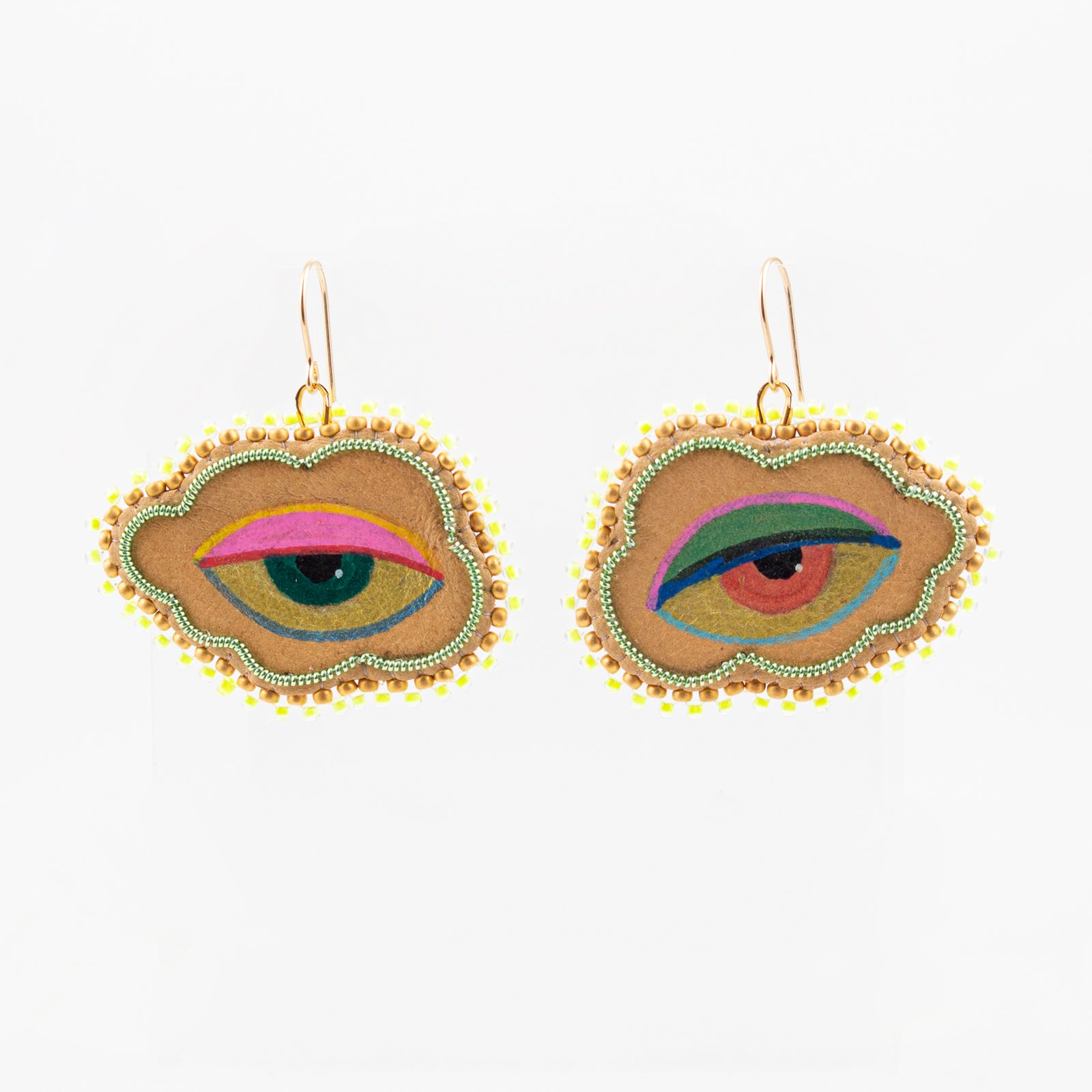
Brooke Bampton
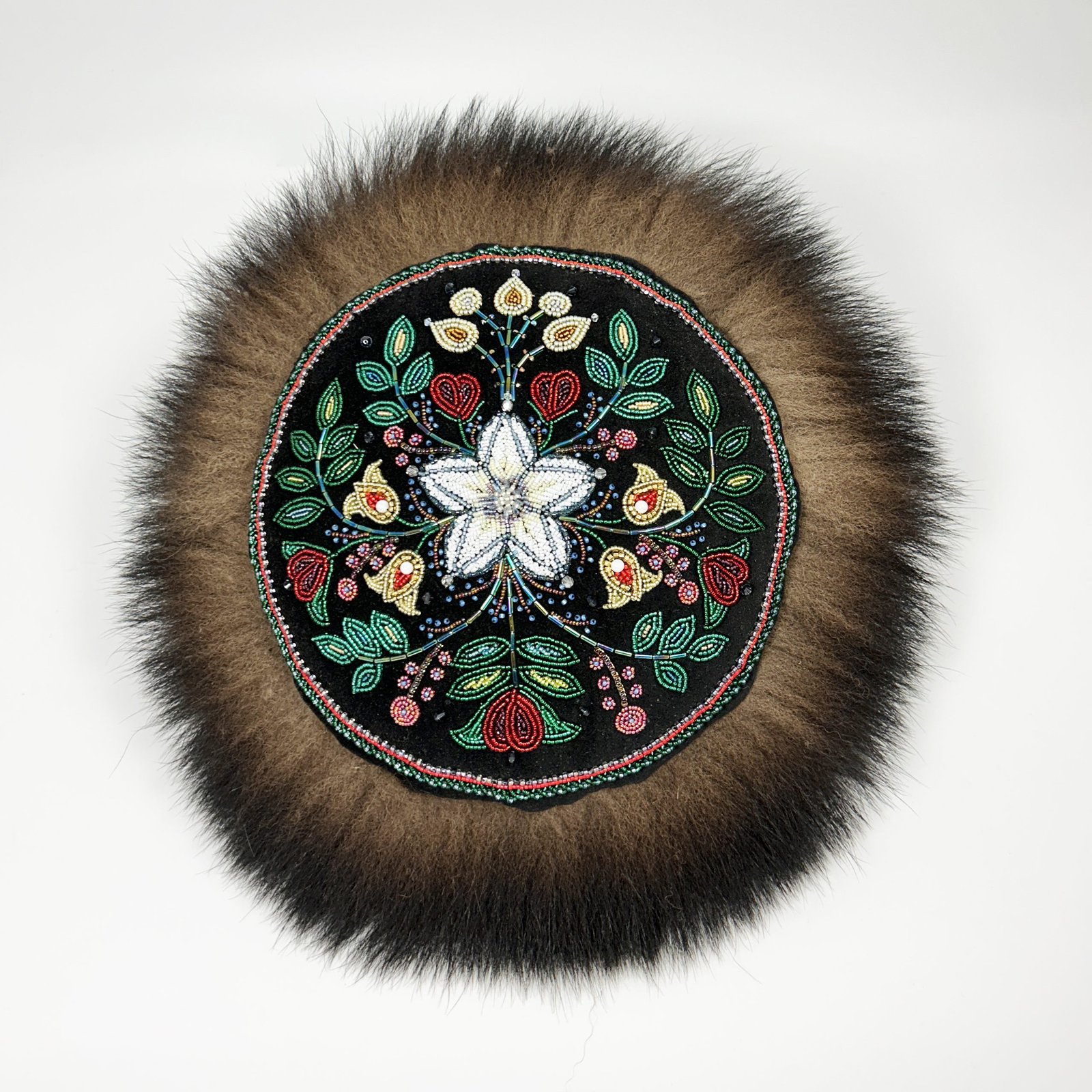
Nathalie Bertin
More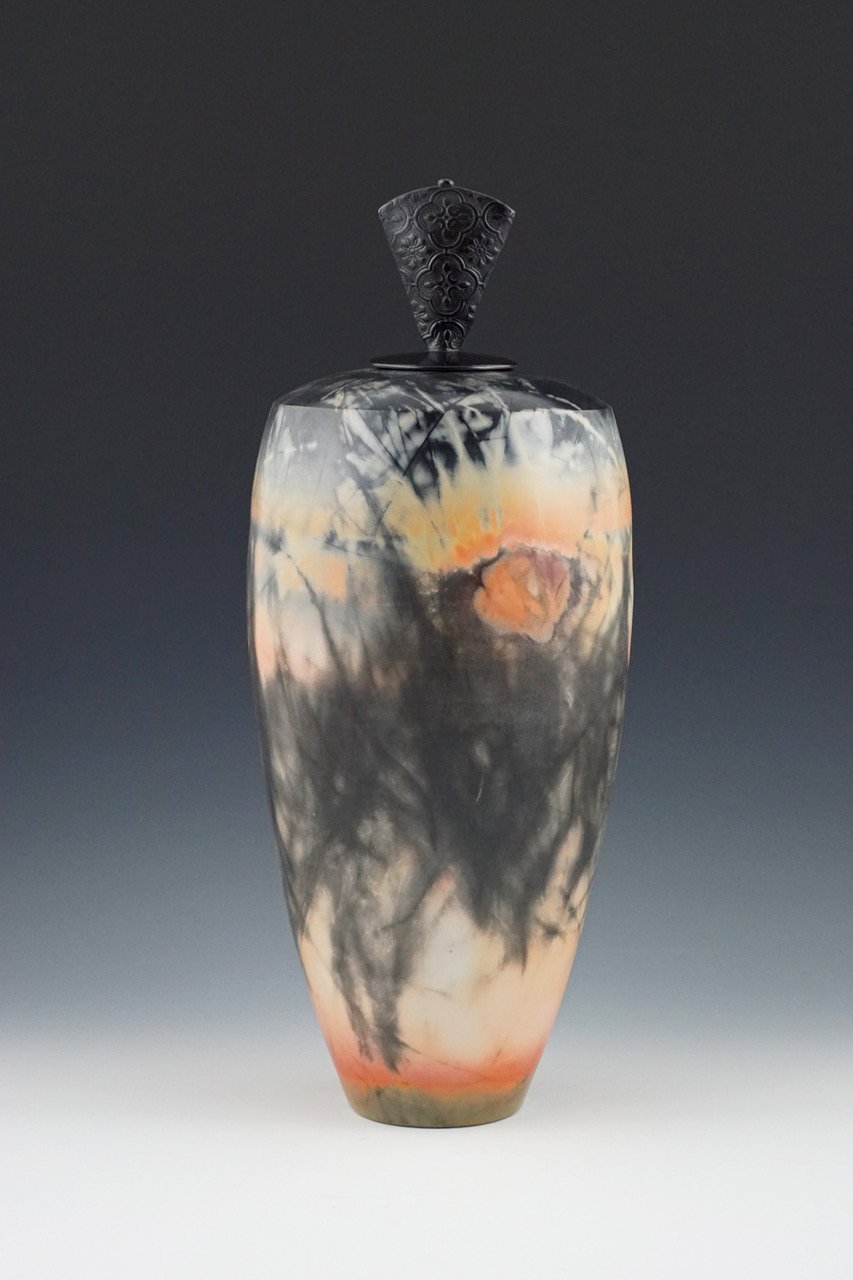
Judy Blake

Wei Chang
More
Montserrat Duran Muntadas
More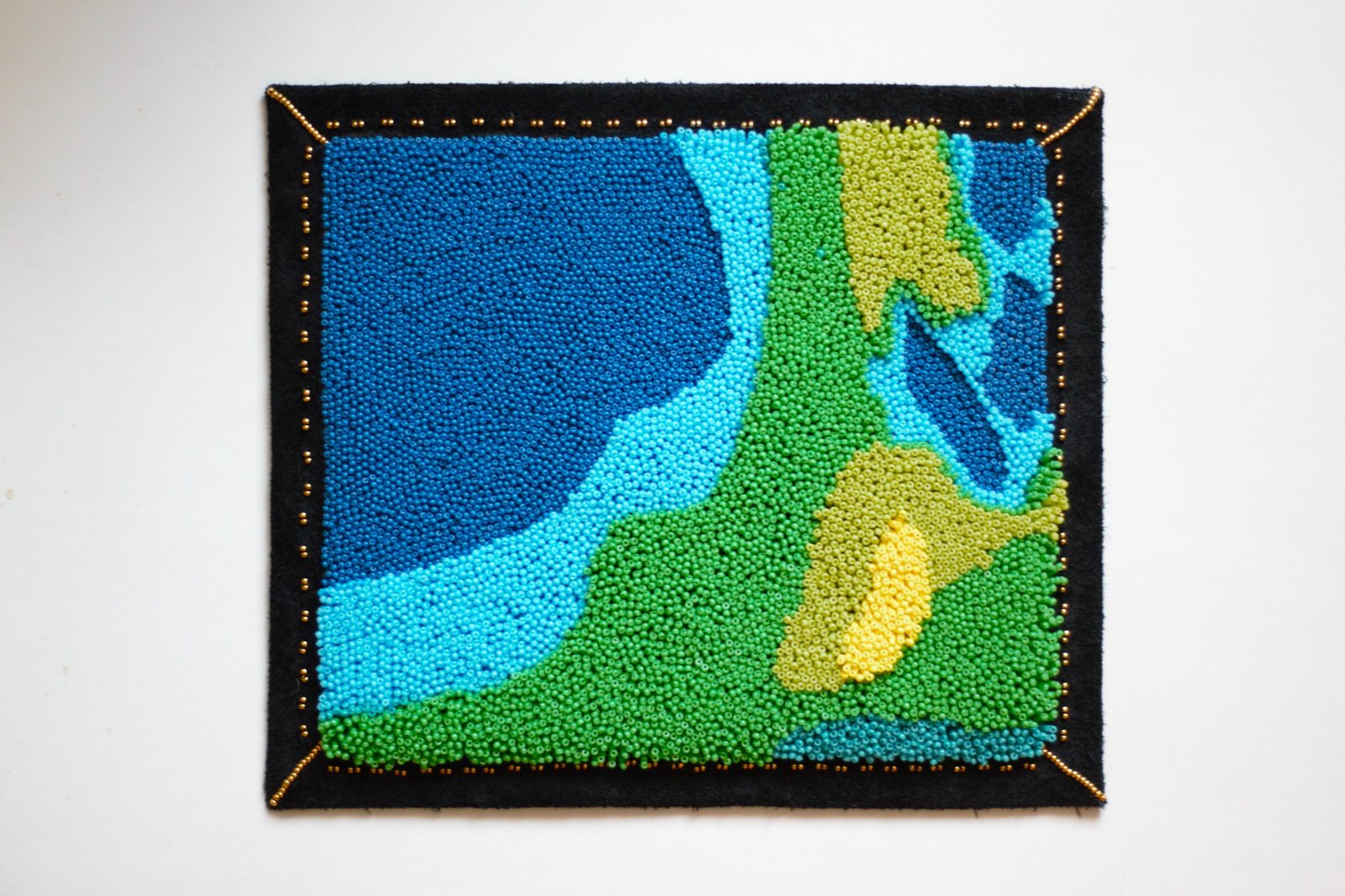
Vi Houssin
More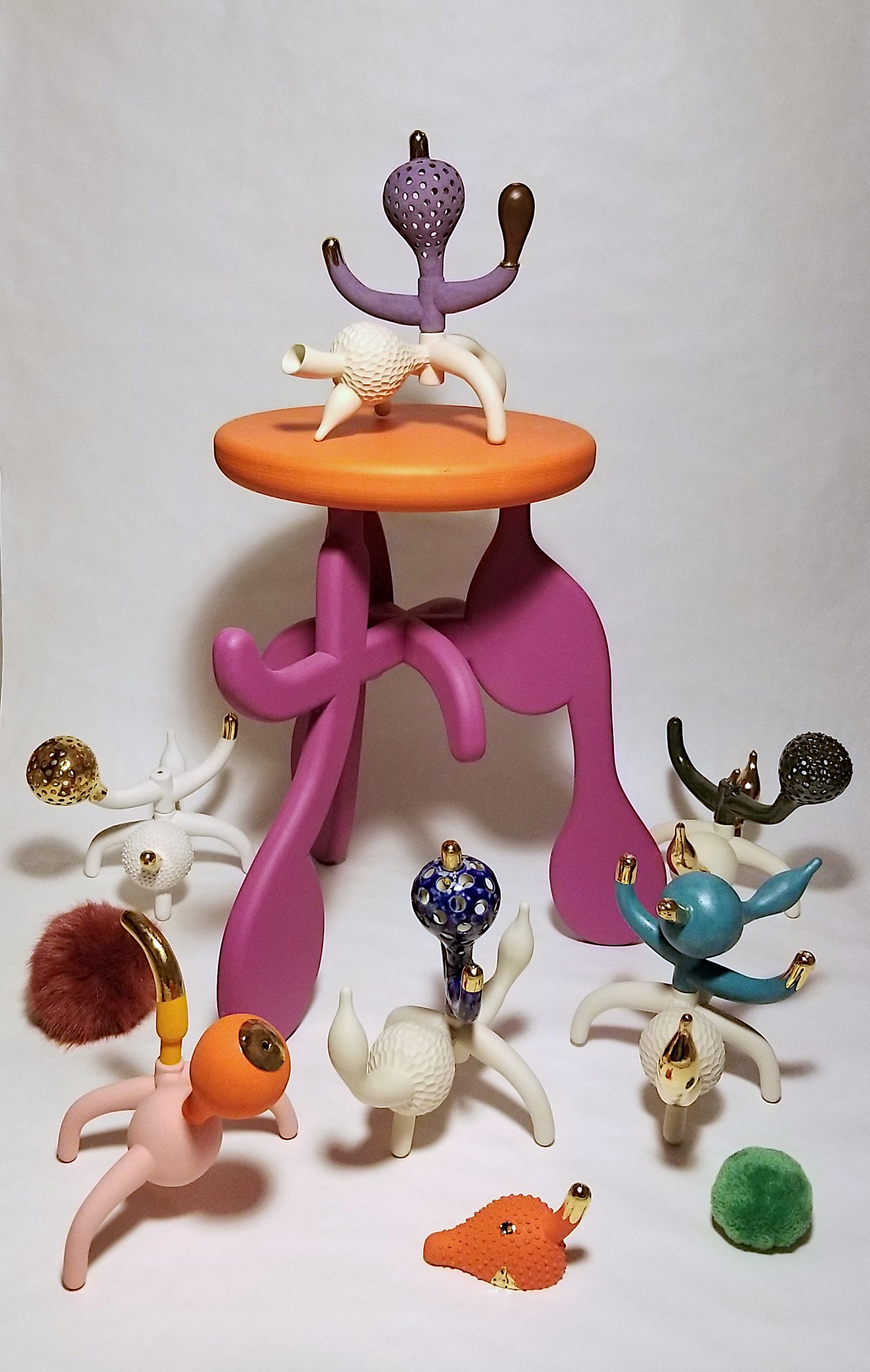
Takashi Iwasaki
Hilary Johnstone
More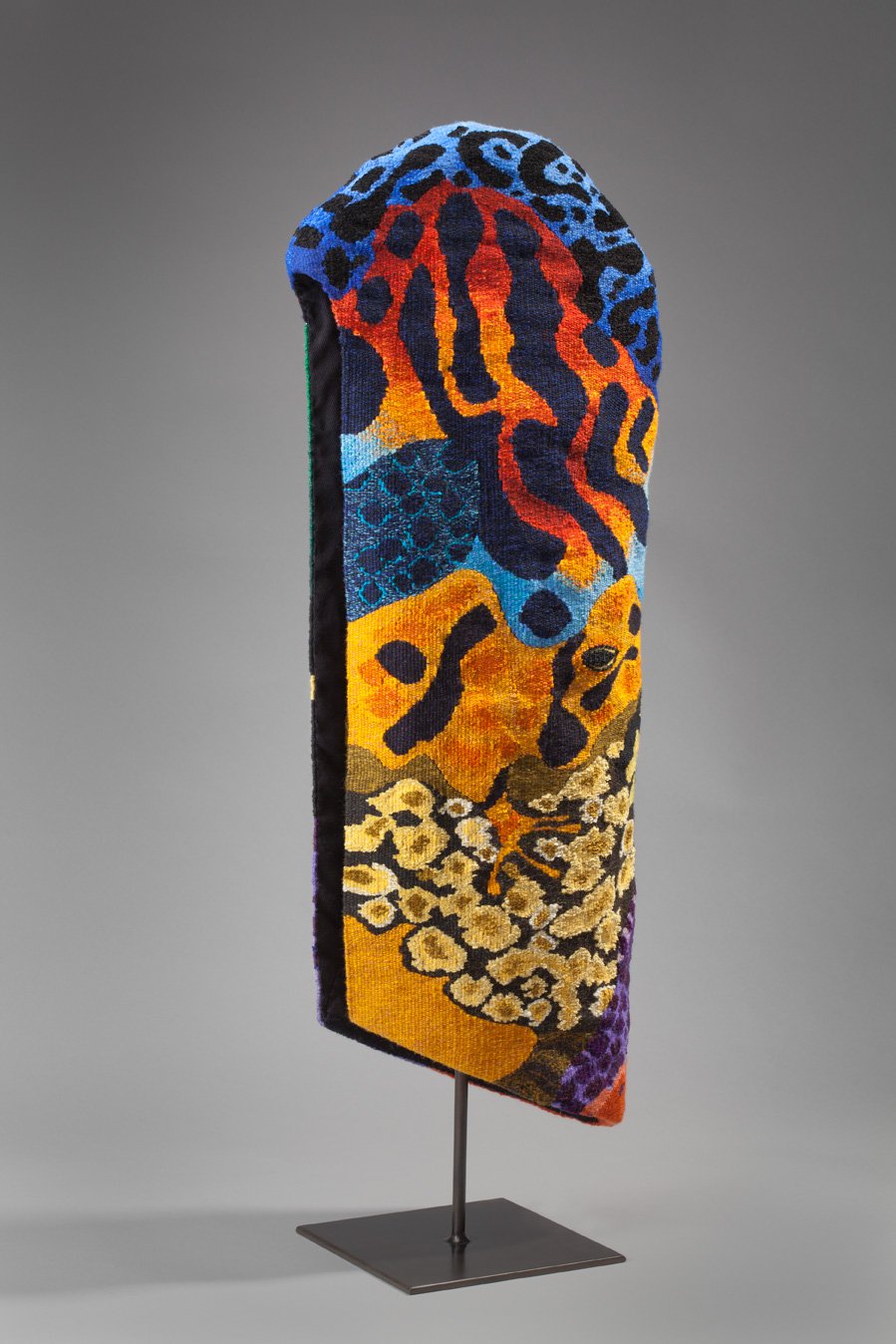
Jane Kidd
More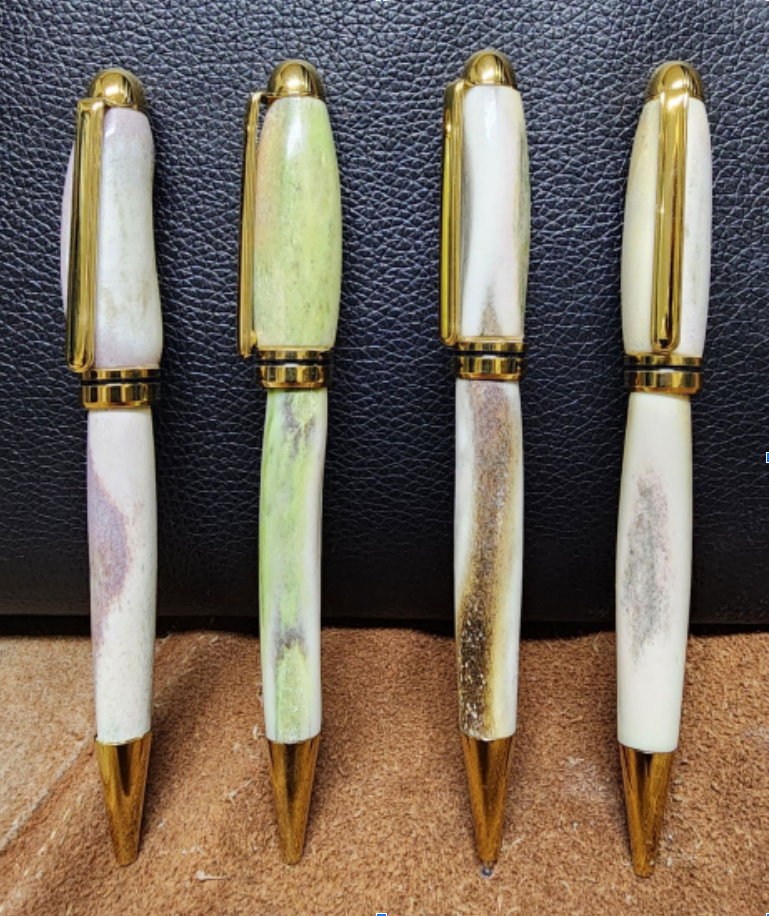
Hudson Lester
More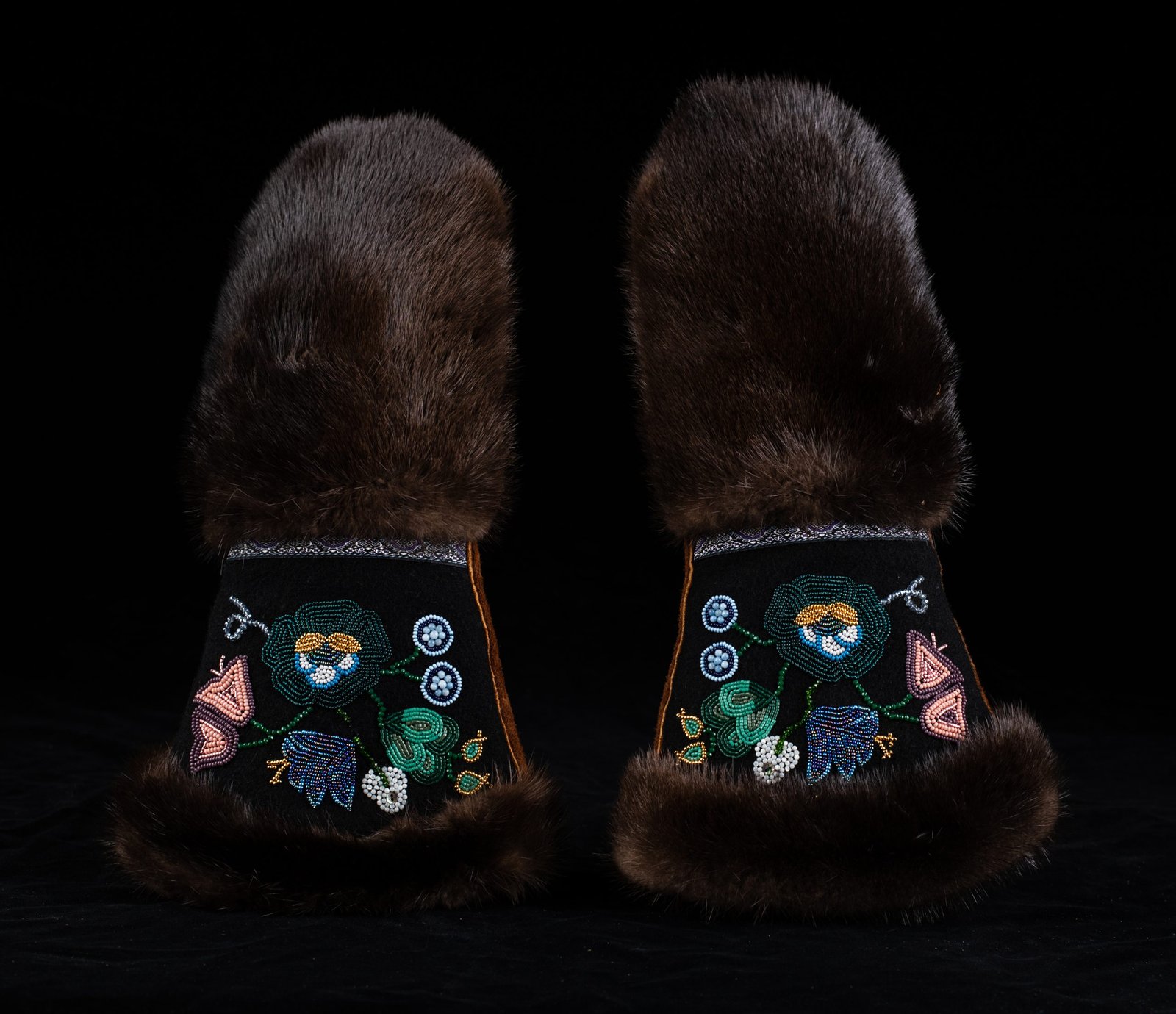
Randi Nelson
More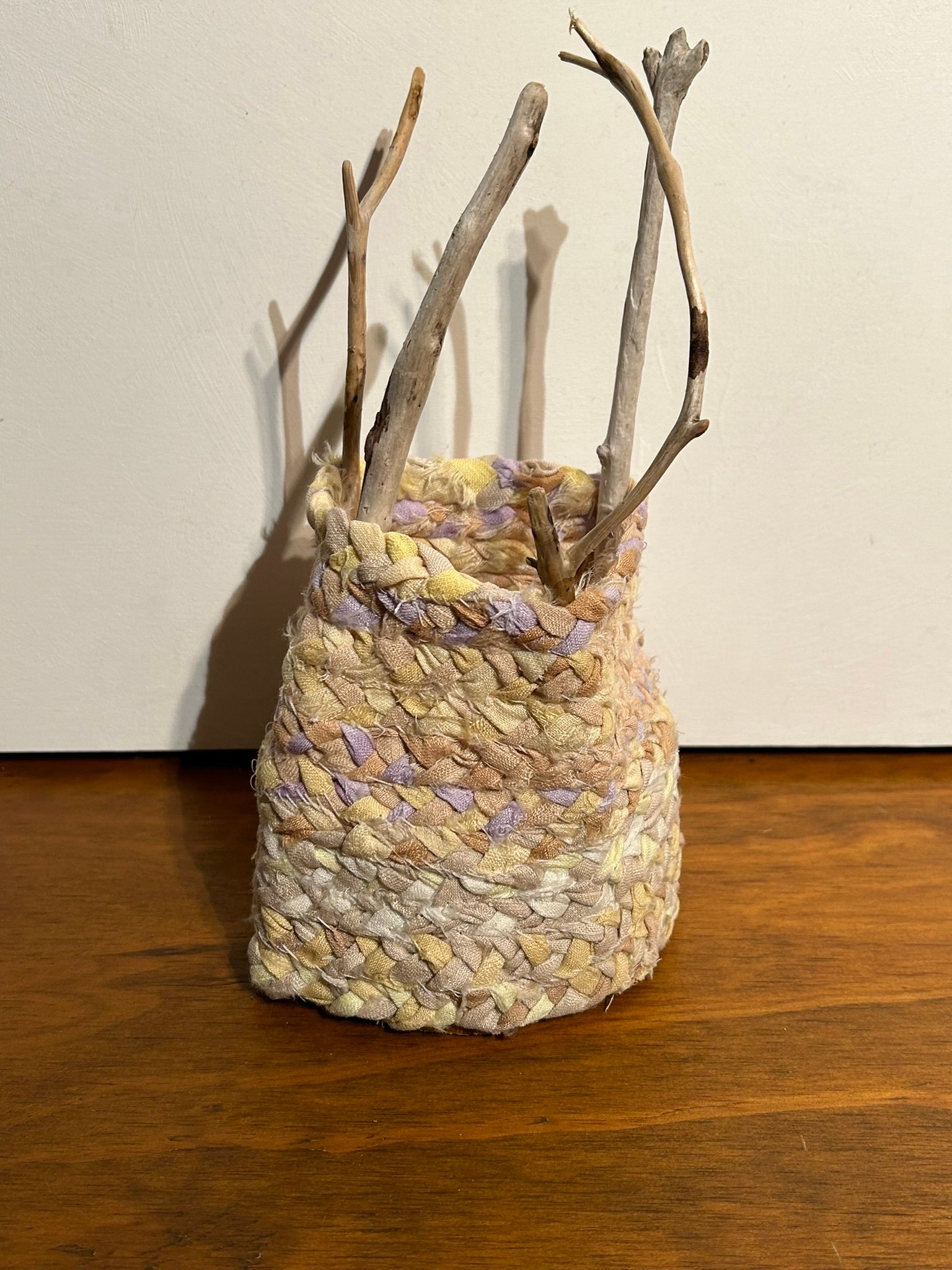
Shawn O'Hagen
More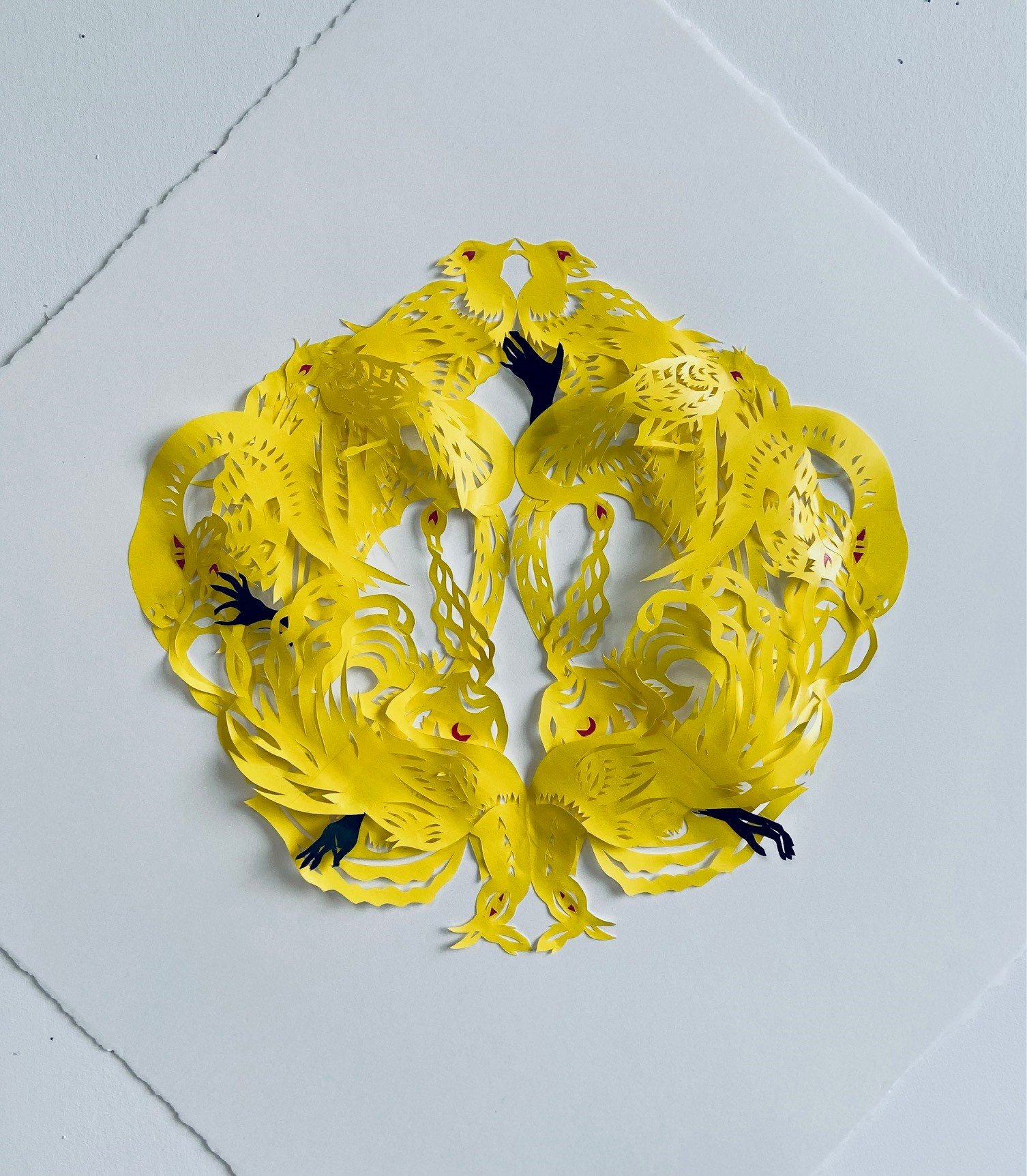
Paul Robles
More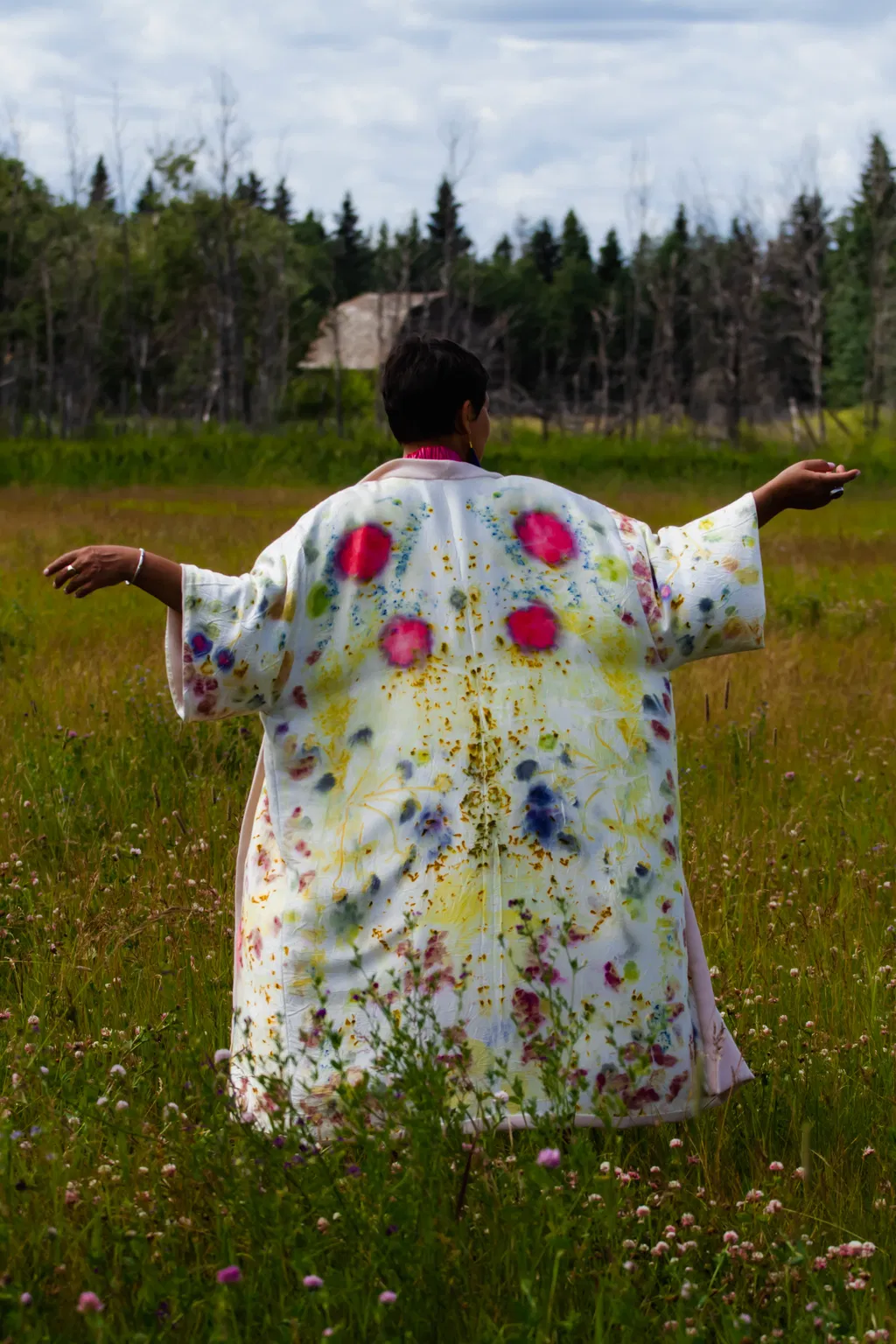
Melanie Monique Rose
More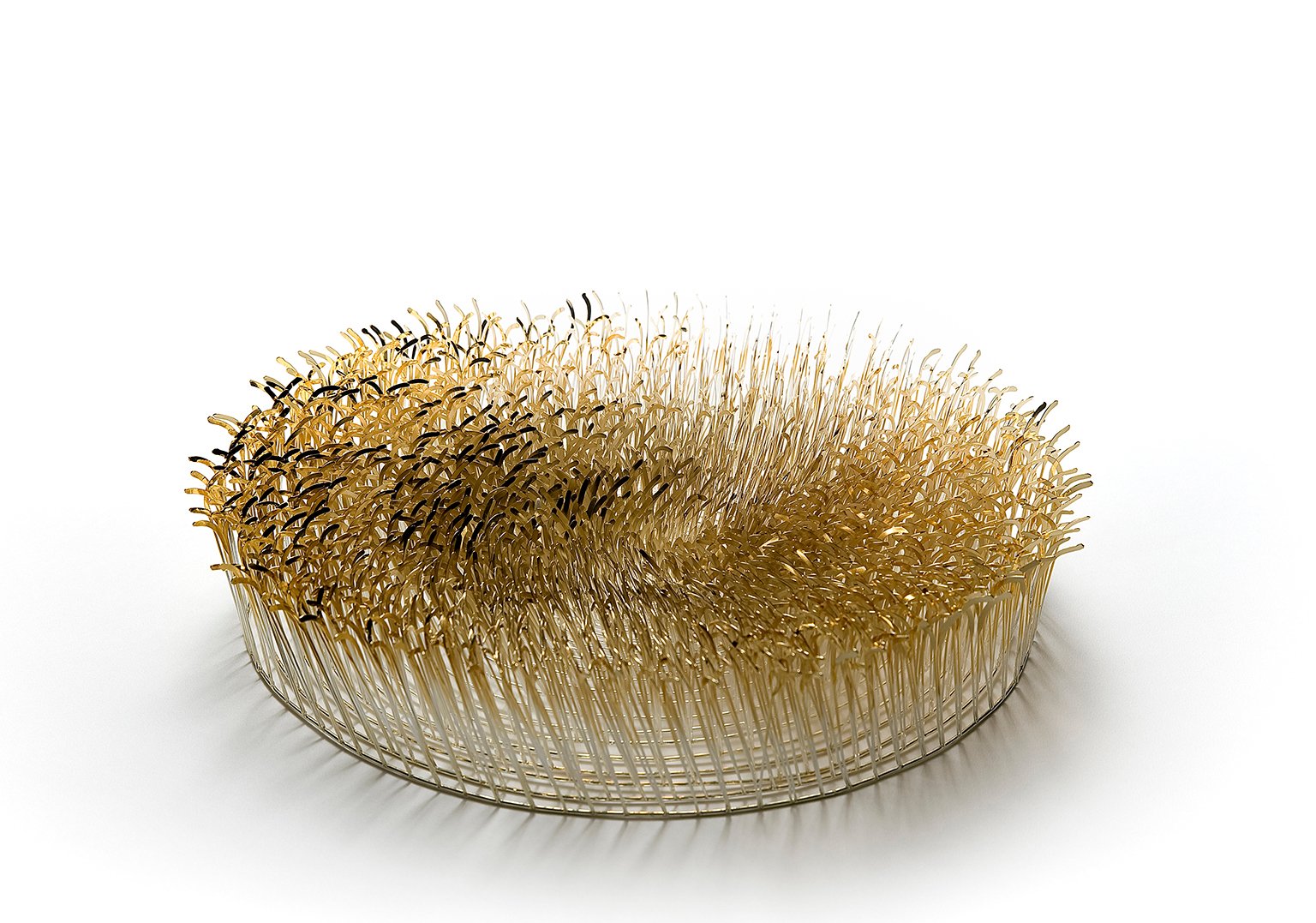
Kye Yeon Son
More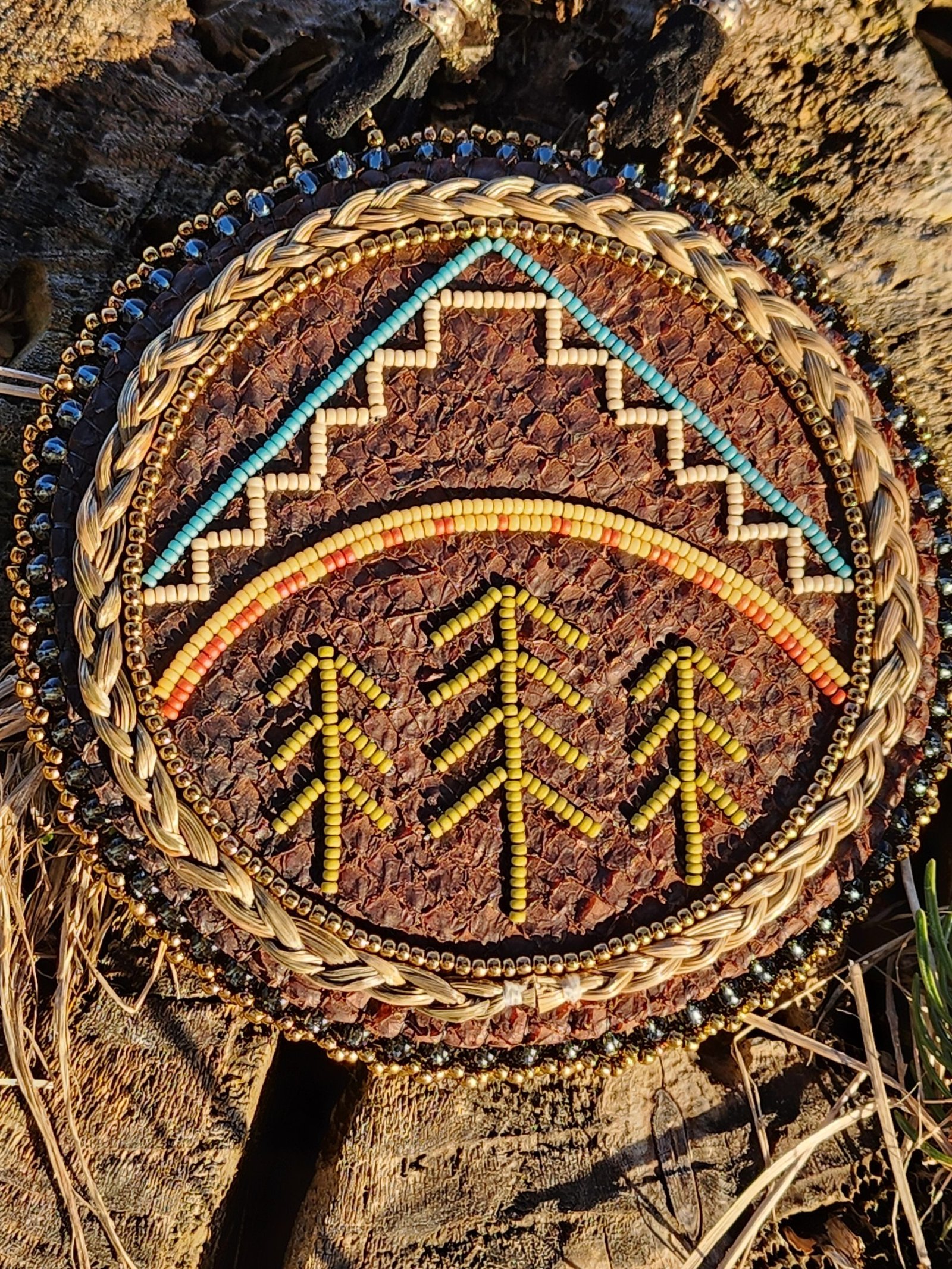
Nicole Travers
More
Sheena Yakeleya
Morethe audience response…
artist biographies and their provinces
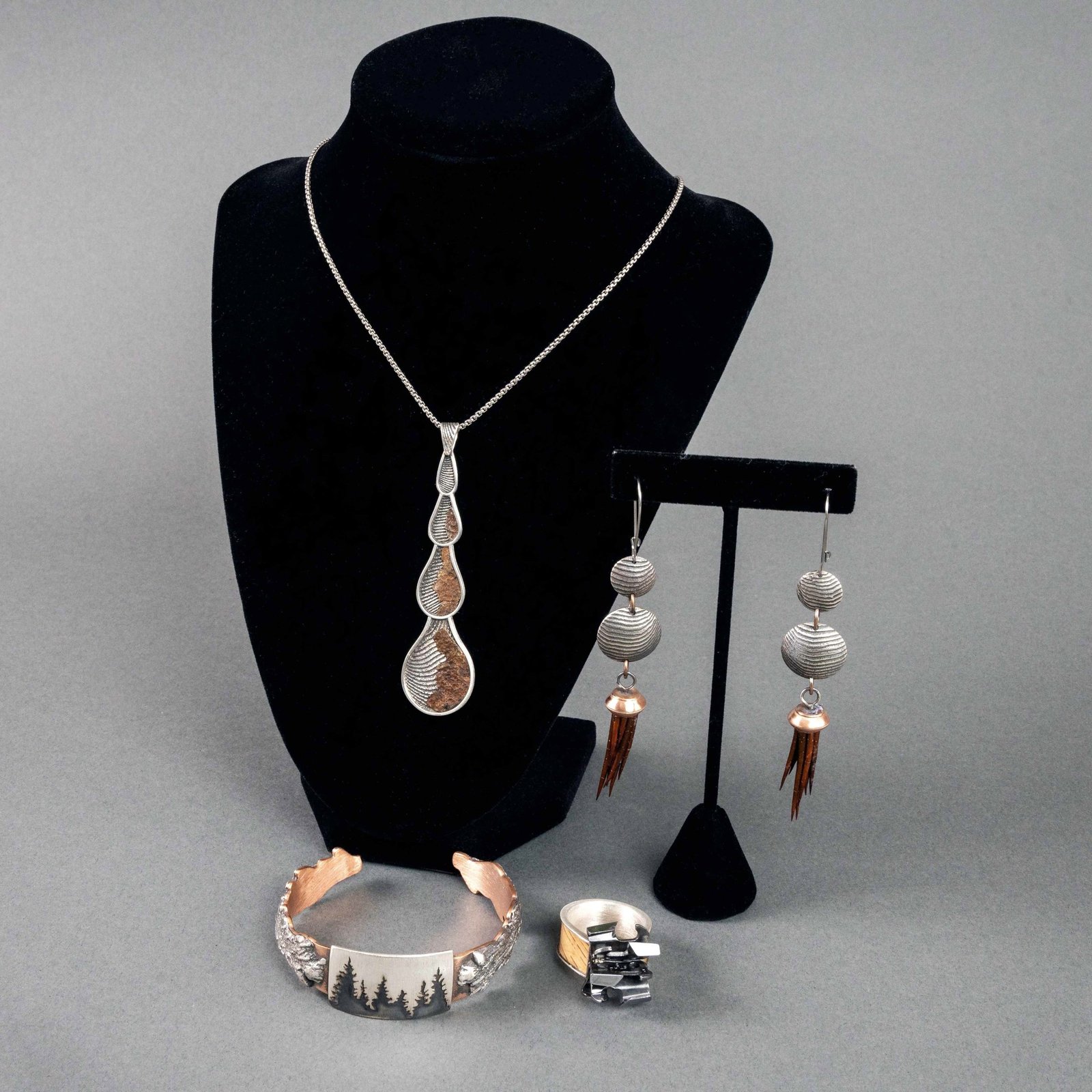
Jim Aquilani is a native of San Diego who now calls Prince Edward Island home. At a young age, Jim’s parents introduced him to many different artistic disciplines and shared their strong connection with nature. This early introduction to the art world made an impact and sent Jim on his own journey of self-expression.
As he got older, Jim, gravitated towards architecture and graphic design and remained passionate about the natural world. While in high school he attended Saturday courses for jewellery making at Tyler School of Art in Philadelphia. Learning the basics of metalsmithing to create pieces of jewellery opened a world of possibilities. By combining his love of nature and its organic forms, with the more linear elements of architecture and graphic design, the possibilities for self-expression were endless. Jim went on to enroll at Tyler and completed two semesters after which he has been solely self-taught.
After leaving Tyler, Jim spent the next twenty years away from the bench working at various jobs and saving to someday afford his own studio. During that time, he continued to diligently sketch his design ideas. In 2007, he went on to build a studio space on Prince Edward Island and began his artistic journey anew.
Jim now creates wearable works of art with precious and semi-precious metals and age-old metalsmithing techniques, often combined with new and unusual processes and materials. His journey of self-expression is unwavering.
Brooke Sagen Theresa Bampton is a multimedia artist originally from Winnipeg, Manitoba, Treaty one ancestral lands of the Anishinaabeg, Anishininewuk, Dakota Oyate, Denesuline, Nehethowuk Nations and the Red River Metis. Brooke is an undeclared person of settler and
indigenous ancestry or Metis person.
Brooke studied at ACAD/AUA and graduated in 1999 with a BFA in Interdisciplinary Studies. She maintains her art studio practice out of her home in Mohkinstsis/Calgary, Alberta. Brooke is inspired by the liminal space between past and present: the translation into experiential, visual and physical forms.
Nathalie Bertin is a multidisciplinary visual artist from Toronto, Ontario. She has lived near the shores of Lake Nosbonsing, between North Bay and Mattawa, since 2021. She is of French, Metis and Algonquin ancestry with roots in Trois Rivieres (QC), Michilimakinac (USA) & Nipissing (ON).
After taking courses in animation, film and new media, Nathalie worked as a graphic designer for over 20 years. She went on to earn a B.A. in Adult Education with distinction before deciding to pursue her true passion, the arts, in 2009. However, not content with just one medium, she delves into painting, illustration, photography, sculptural installation and a variety of traditional crafts.
Nathalie has seen ten illustrations struck on collector coins for the Royal Canadian Mint, and has illustrated several children’s books for Nelson Education. She has self-published her first book of traditional stories accompanied by images of her beaded cushions, which she was able to create thanks to a grant from the Ontario Arts Council. She has presented her work in several solo and group exhibitions, curated exhibitions and co-created “Breathe: A Collection of Traditional Masks Demonstrating Resilience in the Face of the 21st Century Pandemic” to help artists work through the emotions provoked by the pandemic. This project has since gained international recognition.
Nathalie Bertin’s work can be found in the collections of the Government of Canada, the provinces of Manitoba and Alberta, the Royal Ontario Museum, and private collectors in Canada, the United States and Europe. Nathalie’s work and artistic practice have also been featured by CBC/Radio-Canada and TFO. She is also the recipient of Craft Ontario’s 2024 Lily Yung Memorial Award for excellence in craft.
Judy Blake has been working with clay since the mid 1970’s. Her unglazed, smoke-fired vessels have been exhibited across Canada, the United States and Korea and are included in many public and private collections nationally and internationally, notably Canada House in London, UK.
She has also been the recipient of several grants from artsnb. Judy experiments extensively with unglazed surface treatments using alternative firing techniques such as sawdust-firing, naked raku and saggar-firing. She is one of a small number of Canadians using these techniques. Judy Blake maintains a studio practice in Lincoln, New Brunswick.
Wei Cheng is a ceramic artist born and raised in China, now based in Vancouver, Canada. She studied at Langara College and Emily Carr University of Art + Design, where she built a strong technical foundation and developed a deep appreciation for the expressive possibilities of clay.
Wei has been a resident artist at several prestigious programs, including the Museum of Anthropology at UBC, the North Pacific Cannery National Historic Site with the Prince Rupert Arts Council, the Banff Centre for Arts and Creativity, and the Shadbolt Centre for the Arts. Each of these experiences has profoundly shaped her practice and expanded her artistic perspective.
Montserrat Duran Muntadas is a Catalan born artist living in Montreal, Canada. In 2007, she graduated with honours from the Centro Nacional del Vidrio, at the Real Fabrica de Cristales de La Granja, in Spain. This is where she was exposed to and taught many glass art techniques while specializing in blown glass and flameworked glass. In 2010, she received a Bachelor in Visual Arts from the University of Barcelona in Spain, which permitted her to delve into conceptual art. Following her arrival to Canada in 2012, she was able to merge her acquired knowledge with two of her greatest passions for conceptual art and glass, as well as dedicate herself to creating sculptures and installations.
Over the years, she has participated in more than 50 national and international group exhibitions including: SOFA Chicago, the European Glass Context in Denmark, and the European Glass Festival in Poland. Also, she was finalist and laureate of several awards such as: the 2017 Canadian Clay and Glass Gallery Award for Glass, 2017 Prix Jean-Cartier de la Relève, and the 2019 Prix François-Houdé as well as receiving many grants from the Conseil des Arts et Lettres du Québec, Bourse ForCGal and the Canada Council for the Arts.
In 2019, she created her first public artwork for an elementary school in Montreal. In 2020, she produced a new public artwork for the Armand-Frappier Museum in Laval. In 2016, she completed a glassblowing residency at the North Lands Creative Glass, in Scotland and in 2021, an artist residency at the prestigious Pilchuck Glass School in Stanwood, WA, USA. In 2015, she had her first solo exhibition at the Galerie Espace VERRE in Montreal, Canada. Since then, she has had 12 solo exhibitions.
Her work has been published in many glass art magazines such as: Glass Quarterly, Neues Glas, New Glass Review, La Revue de la Ceramique et du verre as well as in art and fine crafts magazines such as: All She Makes, STUDIO, Craft & Design in Canada, ESSE and Vie des arts. In 2021 curator and independent author Pascale Beaudet wrote the first bilingual monograph dedicated to his career as an artist. Furthermore, her works are part of many collections, including the City of Montreal, the Musée national des beaux-arts du Québec and the Musée des métiers art du Quebec in Canada and the Museo de Arte en Vidrio de Alcorcón, Spain.
She is currently a teacher at the glass school Espace Verre in Montreal.
Vi Houssin (she/her) is a beadwork artist and drag performer. Her family is of white settler and Red River Métis ancestry. Her Métis family names are Ritchot, Poitras, Larence and Plante, and her ancestors held scrip in St. Vital and St. Boniface. She is a proud member of the Two-Spirit Michif Local and a citizen of the Manitoba Metis Federation. Vi works and lives in Winnipeg, Canada on Treaty 1 territory where she was born and raised.
Toggle ContentBorn in Japan in 1982, Iwasaki has made Winnipeg his home for the past 22 years. His diverse practice spans painting, embroidery, woodworking, and large-scale public art, each medium reflecting a unique facet of his creative vision.
In 2023, during his Master of Fine Arts studies at the University of Manitoba, Iwasaki discovered clay, drawn to its distinctive malleability and tactile quality. This newfound medium has opened fresh avenues for him to express his worldview. Currently, he is focused on creating immersive environments that harmonize his varied media, allowing each piece to tell its own story while contributing to a cohesive, atmospheric experience. At the heart of Iwasaki’s work is a desire to capture and share moments of joy.
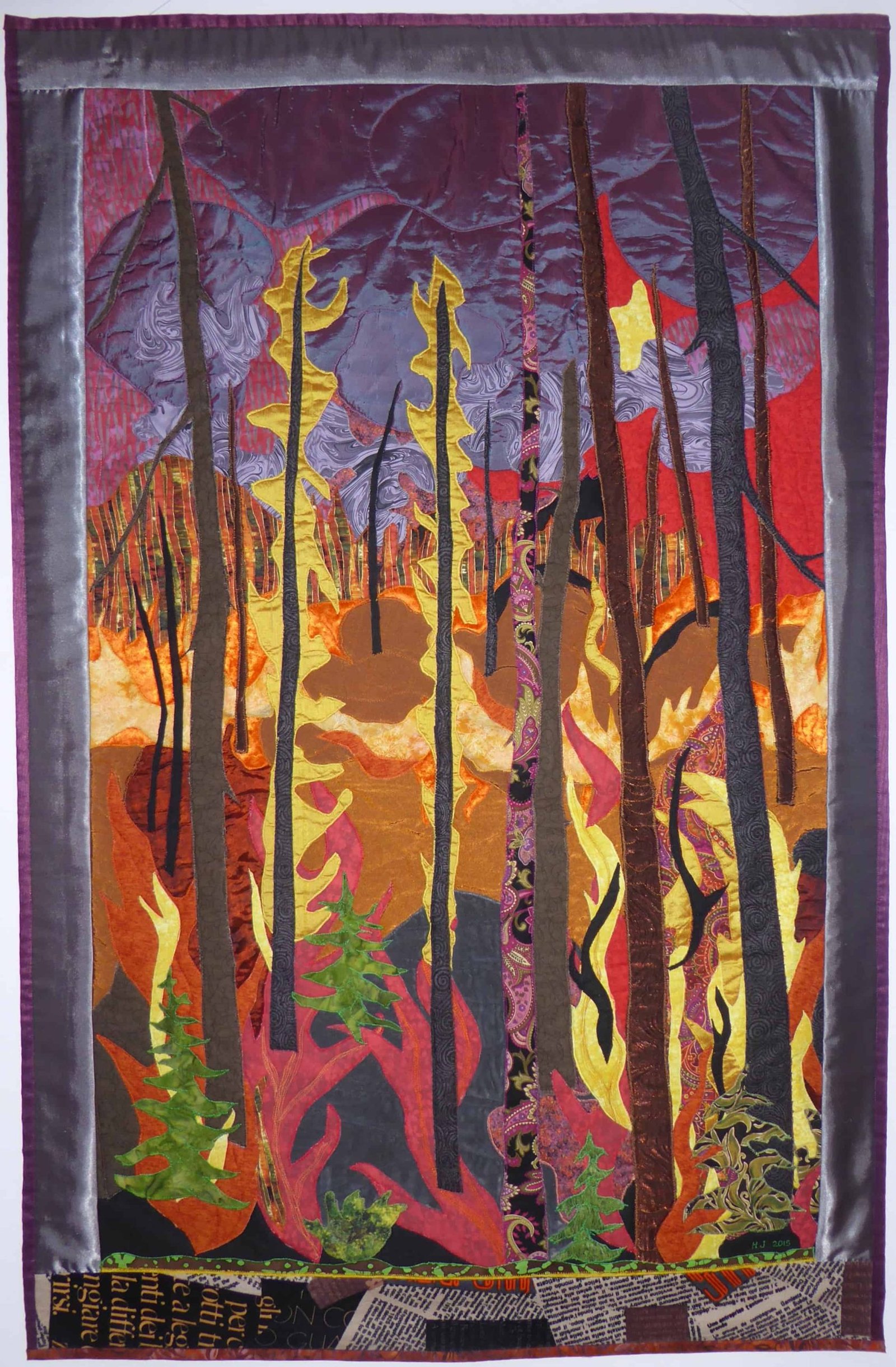
I live near La Ronge, northern Saskatchewan. La Ronge is a small community beside Lac La Ronge, a large lake of islands, trees, bedrock slopes, and cliffs. I respectfully acknowledge that the land is the traditional territory of the Lac La Ronge Indian Band. It is Treaty 6 territory, home to the Woodland Cree and the Metis. I am intimately involved in this landscape, as an artist, and as a wilderness canoe tripper, hiker and cross-country skier.
Nature sustains me in all ways. I need wild nature to feel really alive and happy. I live where a network of lakes and rivers connect the forests and muskegs, which I ski over in the winter, and canoe and portage across in the summer. I make art to share this place, and to allow the viewer to consider the rich, and precious importance of an undisturbed ecosystem. My subject matter is determined by my experiences in this landscape – witnessing a forest fire, paddling across a lake on a long canoe trip, looking up close at mosses and plants, or watching ravens play in the thermals over a frozen lake.
My textile art is made with pieces of fabric that are cut and collaged together and then stitched and quilted, to give rigidity. I like the tactile aspect of fabrics, the patterns, textures, sheen and colours available, how soft and homey they are. I was a painter for decades, but now prefer the hands-on, labour-intensive process of textile work. Fabric art warms a room and softens the sound quality. It can easily be rolled to transport.
I begin by sketching ideas, progressing from thumbnail sketches to a large drawing of the chosen composition. Or, I base my fabric work on one of my paintings. I sort and choose fabrics that suit different areas, and begin to collage cut-out pieces. The nearest fabric store is 250 km away, so I make do with what I have, which can lead to fresh and unexpected solutions. Sometimes I paint or dye fabric to achieve a desired colour. I place the pieces down loosely, allowing for many changes, moving and exchanging pieces in the manner of a collage. Finally, I sew everything in place, first with a satin stitch to stop any fraying and give a strong outline to each shape, and then with free-motion stitching to adhere the 3 layers of fabric and batting, to add more lines, and to embellish. The process varies from the purely creative, dynamic stages of design, drawing, and collaging, to the meditative ironing and hand basting of the layers, and then to the precise craft of the final machine sewing and binding.
Jane Kidd was born in Victoria B.C. Canada. From 1980 to 2011 she lived in Calgary, Alberta, and was a faculty member at the Alberta University of the Arts (ACAD).
Currently, she lives on Salt Spring Island in B.C. where she maintains an active studio practice. Her beautiful, technically demanding, and conceptually rich tapestries provoke profound questions about handcraft, disciplinary knowledge, and the importance of bringing historical practices into the contemporary art arena. Her ideas are expressed through symbolic images that explore the complications and contradictions of current issues, encouraging reflection on our changing world.
Hudson, an artisan rooted in the Arctic heart of Iqaluit, Nunavut, has captured the spirit of the North in his one-of-a-kind handcrafted caribou antler pens.
Moving to Iqaluit at age seven, Hudson developed a profound respect for the land, shaping his passion for turning raw, natural elements into extraordinary pieces of functional art. His craft honors the wisdom passed down from local elders and his study of traditional tool making, metallurgy, and silver smithing under the guidance of Mathew Nuqingaq and Moe Lewis. This blend of heritage and personal vision allows Hudson to craft with reverence, sourcing caribou antlers from family hikes or local communities.
Randi Nelson is a Secwépemc artist and fashion designer, and a member of St’uxwtews First Nation. Now based in Whitehorse, Yukon, she is celebrated for her distinct artistic style, a product of her upbringing in a family that stressed the importance of harnessing creativity from the natural world.
The jewelry and other wearable art designs that Randi creates are inspired by her love of nature and its beauty. She draws inspiration from the changing seasons, handpicking flowers, berries, and leaves to create unique floral patterns for each piece. The colours of the plants and their shades inform the selection of beads, gemstones, and hand-dyed caribou hair for her jewellery and other wearable art pieces ensuring a perfect match.
In addition to her personal artistic endeavors, Randi is dedicated to teaching others and sharing her artistic and cultural knowledge. Her work has been recognized and is included in the Yukon Permanent Art Collection and owned by art collectors worldwide.
shawn o’hagan has been based in Ktaqmkuk (Newfoundland) since 1975. She lives and works on the west coast of the island dividing her time between her house in Corner Brook and her cabin in Elmastukwek (the Bay of Islands). She has a BFA (University of Guelph), a B.Ed (University of Toronto) and an MFA (University of Waterloo).
She has worked with many materials and processes and for the past 20 years has concentrated on textiles. She has participated in solo and group exhibitions across the country and her work is in many collections including the Canada Art Bank.
In 2023 she was nominated for the Saidye Bronfman Award for Excellence in Craft and was the recipient of the VANL-CARFAC Excellence in Visual Arts Tara Bryan Endurance Award. In 2024 shawn was one of two Newfoundland and Labrador craft artists exhibiting in London, UK at the international fine craft and design fair Collect2024 with Craft Alliance Atlantic and also received the Senior Artist Grant 2024 from Arts NL.
Born in the Philippines, Paul Robles is a Canadian artist based in Winnipeg, Canada, Treaty One.
Recognized for his intricate cut paper works, Robles combines the delicacy associated with traditional hand work that addresses psychological and emotional states ranging from animist familiars, folklore, spirits, trauma, and grief.
He holds a Bachelor of Fine Arts degree (Gold Medal) from University of Manitoba School of Art and Bachelor of Arts degree (Sociology) from The University of Winnipeg. Robles has exhibited widely in Canada, USA, and France.
He has participated in Plug In ICA’s Summer Institute Residence Program, and Papier Art Fair, Montreal. His work was presented in an exhibition, Tracing Paths at C2-Centre for Craft (2019, Winnipeg), an exhibition at the Regina Art Gallery (Regina, 2021); produced an outdoor installation for Nuit Blanche (in Winnipeg & Waterloo, ON) and commissioned mural for the Wall-to-Wall Festival in 2021.
In 2024, Robles was artist in residence at aabijijiwan New Media Lab -University Of Winnipeg, and honored with the Provincial King Charles 3rd – Gold medal by the Premier of Manitoba, Wab Kinew.
Melanie Monique Rose is a visual artist from Regina, Saskatchewan Treaty 4 Territory, and a long-time contributing member of Sâkêwêwak Artists’ Collective Inc.
She attended Kootenay School of the Arts with a major in the Fibre Arts in Nelson, B.C. Melanie has exhibited her artwork in both group and solo exhibitions. One of her greatest honours was to receive the distinction of Excellence in Textiles in Dimension’s 2013 touring show.
In 2020, CBC celebrated Melanie as a Future 40 for her work in arts and culture. Most recently she was a recipient of the Saskatchewan Foundation of the Arts Endowment Award. In addition to showing her work, Melanie has worked in the province as gallery facilitator, story-keeper, and art instructor for the Mackenzie Art Gallery and teaches various workshops at both public and private institutions.
In 2018, her daughter Meadow Rose was born and Melanie is currently a full-time mom, caregiver, and artist. Becoming a mother has increased Melanie’s desire to share the stories of her culture and family and has challenged the way she creates independently and as a shared experience with her daughter. Melanie is excited to see where the journey takes her as an Artist.
Melanie is represented by the Assiniboia Gallery in Regina, SK.
Kye-Yeon Son was born in South Korea and earned a BFA degree in Applied Art in 1979 at Seoul National University, Korea and a MFA in Jewellery Design and Silversmithing in 1984 at Indiana University, Bloomington, IN, USA.
Son started teaching in 1995 full time where she contributed to the development of the current NSCAD jewellery design and metalsmithing program. She has also been invited as visiting artist for lectures and workshops nationally and internationally.
As a recipient of the most prestigious Saidye Bronfman Award, a Governor General’s Award in Visual and Media Arts, 2011, LOEWE FOUNDATION CRAFT PRIZE Finalist, 2019, and the Queen Elizabeth II’s Platinum Jubilee Medal, 2022, she has exhibited her works in numerous solo shows and group exhibitions in public and commercial galleries across Canada, the United States, Britain, Germany, Japan, and Korea. In addition, her work has also garnered numerous awards from multiple organizations including the Canada Council for the Arts; the Metal Arts Guild; NICHE, a leading publication promoting fine craft art and galleries. Since 2000, she has also been a member of the Royal Academy of Arts.
From earlier “Wishing Vessel” to recent “Innatus Forma” Metal Artist Kye-Yeon Son shares her personal journey to find a way to visualize emotive qualities such as wishes, memory, loss, and beauty in endurance in her vessels and jewellery.
Nicole (she/her) is a Mi’kmaq artist from Little Port, Elmastukwek, Ktaqmkuk. Nicole is a self-taught beadwork artist and leather tanner who is influenced by historical styles of Mi’kmaq visual culture, including the double curve motif, petroglyphs and hieroglyphs.
Nicole’s practice attempts to draw on generations of knowledge for a self-sustainable existence; the knowledge that has sustained those of her family and community for hundreds of years. Sustainable practices and connection to land have been part of Nicole’s life, living around the water.
Nicole’s duty is to create work that has zero-low environmental impact, and she has noticed how things in the environment have changed over her lifetime as the importance of sustainability has not been prioritized by all.
Honouring the relationship with land though the care of the ecosystem we are part of is important to Nicole’s practice. Creating art is a process of honouring and staying connected to nature.
The uniqueness of the visual appearance of Nicole’s work is to draw the attention of viewers and ignite conversations on the materials and methods used, providing a natural flow into preservation and sustainability of the water and resources.
“Because we are always evolving as who we are as individuals, learning, experiencing, and growing; my artwork is a representation of who I am at this specific point in time, including my knowledge of traditions and culture.”
Sheena is a Dene Artist from Ford Good Hope and Tulita in the Sahtu Region. Sheena learned how to bead from the strong women in her life but developed her own style making beaded jewellery in 2012.
Since then she has refined her techniques of preserving birchbark to use as a canvas for beading and porcupine quillwork. Sheena sells her artwork at arts festivals, a few retailers and craft shows. She has started holding workshops for youth and adults to pass on her traditional knowledge.
a huge thank you to the CCF and our sponsor, Lexus!